
34 Clever Garden Cheats That Will Transform Your Green Space
Garden cheats are like little secrets that make growing plants easier and more enjoyable.
These clever gardening tips help save money while keeping your garden healthy and vibrant.
A well-tended garden can become a peaceful retreat filled with colorful flowers and fresh vegetables.
Simple tricks often make the difference between struggling with plants and watching them thrive.
Many gardeners find joy in discovering smart ways to care for their green spaces without spending too much.
Nature has its own rhythm, and understanding it can lead to a more successful garden year after year.
With some creativity, anyone can transform their outdoor space into a beautiful haven without breaking the bank.
Buddy Planting
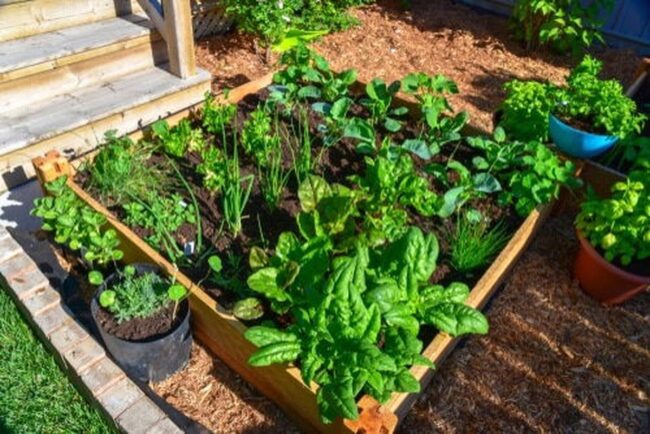
Buddy planting maximizes garden potential by strategically pairing plants that support each other's growth and health.
Complementary crops work together to naturally repel pests, enhance soil nutrients, and increase overall harvest yields.
Tomatoes grow happily near basil, which helps protect them from harmful insects and improves flavor.
Carrots thrive when planted alongside onions, creating a natural pest deterrent system.
Legumes like beans enrich soil nitrogen, benefiting neighboring crops with improved nutrition.
Marigolds scattered throughout vegetable patches ward off unwanted bugs while adding cheerful color.
Smart gardeners use this method to reduce chemical interventions and boost garden productivity.
Companion planting transforms small spaces into efficient, bountiful growing environments.
Feel the Soil—Texture Says a Lot
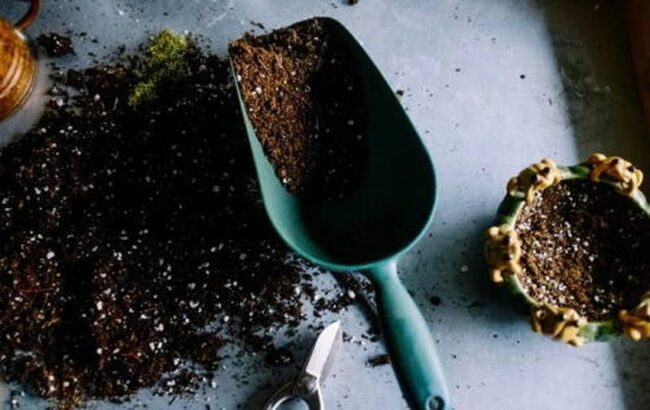
Soil testing provides gardeners with critical insights into ground composition without spending money.
Pressing your finger into the soil reveals important characteristics about its texture and quality.
Sandy loam soils will naturally crumble when touched, indicating good drainage and nutrient potential.
Clay-heavy soils tend to hold together more firmly, signaling potential challenges for plant growth.
Understanding soil composition helps you select appropriate plants and amendments for successful gardening.
Strategic soil analysis saves time and reduces unnecessary spending on ineffective gardening supplies.
Knowing your soil's unique properties empowers you to make informed decisions about landscape design and plant selection.
Plant Supports
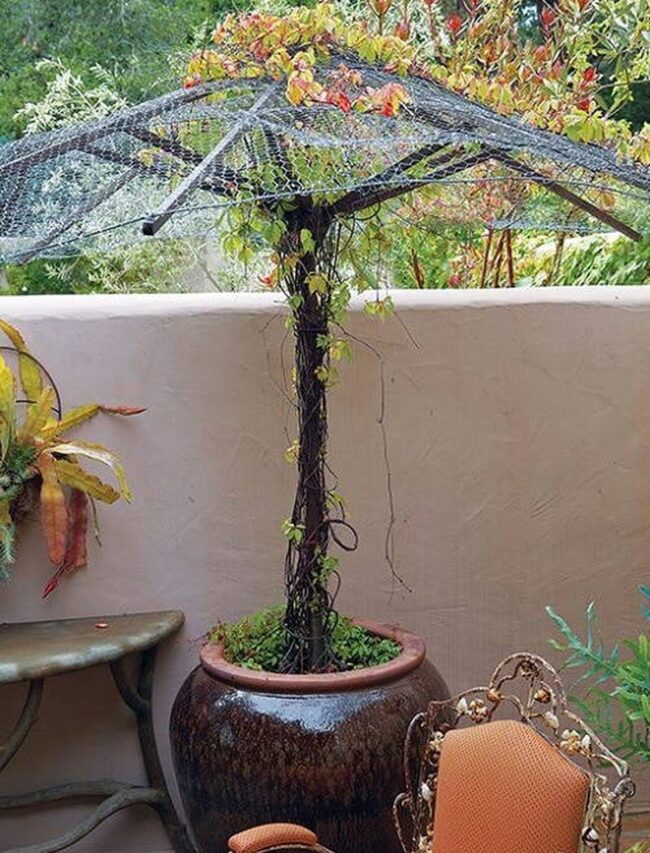
Plant supports are ingenious diy solutions for guiding climbing vegetables and flowers without spending money.
Metal wire hangers bend easily to create custom trellises for tomatoes, beans, and peas.
Mattress springs work wonderfully as vertical supports for climbing plants in tight garden spaces.
Patio umbrellas with their sturdy frames become unexpected vertical gardens that look unique and functional.
Reusing these items saves cash and prevents waste while helping plants grow strong and healthy.
Improvised supports add character to garden spaces and show creativity in plant management.
Gardening becomes more affordable and fun when you think outside traditional garden supply store solutions.
Grass Clippings
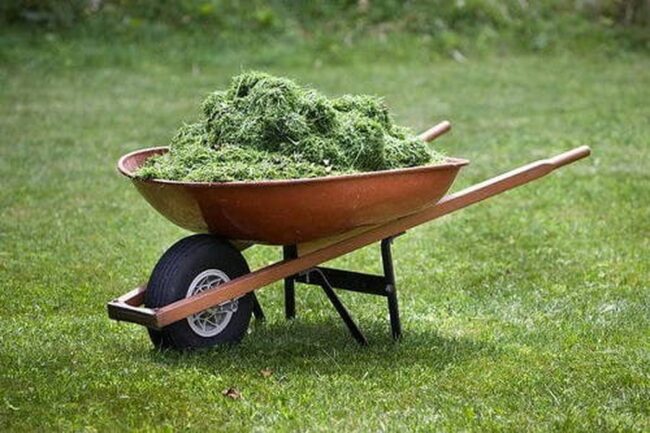
Grass clippings provide a powerful free fertilizer packed with essential nutrients for garden health.
Mowing your lawn becomes an opportunity to gather these green gold nitrogen-rich trimmings.
Nitrogen helps plants develop strong stems and lush green leaves faster than many commercial fertilizers.
Spreading these fresh clippings around your garden beds gives plants an instant nutritional boost.
Mixing clippings into soil adds organic matter that improves drainage and soil structure.
Collected clippings break down quickly, releasing nutrients directly where plants need them most.
Sustainable gardening practices start with simple techniques like recycling lawn waste into valuable plant food.
Regrow Vegetables from Your Kitchen Scraps
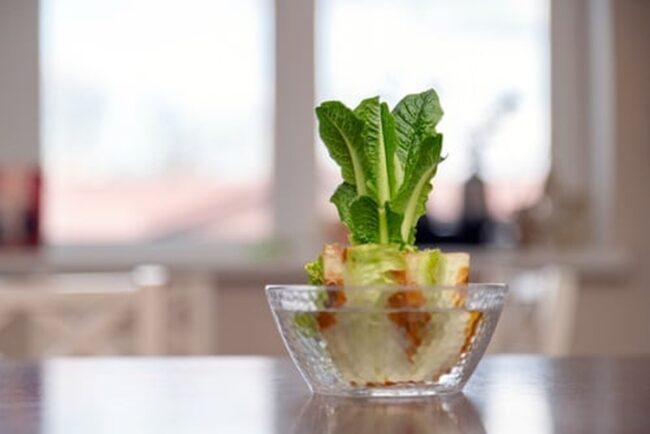
Regrowing food saves money and provides fresh produce right from kitchen scraps.
Green onions quickly sprout new shoots when placed in water or soil after trimming their tops.
Potato pieces with eye buds develop into robust plants that multiply underground.
Ginger roots generate new growth when planted in moist soil with indirect sunlight.
Leeks regenerate their green stems by keeping root bases in shallow water or planting them directly in garden beds.
Garlic cloves develop into full bulbs when planted in well-draining soil with moderate sunlight.
Bok choy stems restart growth when positioned in water or soil with consistent moisture.
Test Your Soil’s pH Before Planting
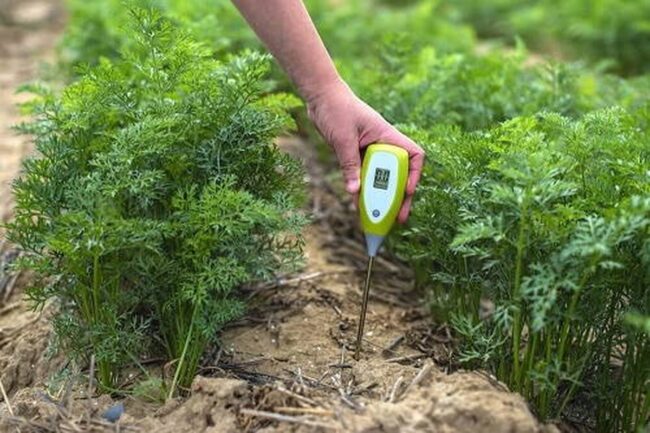
Soil ph testing measures garden health with simple kitchen ingredients.
White vinegar reveals alkaline soils through bubbling reactions when mixed with muddy earth.
Baking soda helps identify acidic soil conditions through similar fizzing methods.
Home gardeners need only water, vinegar, baking soda, and a clear container to perform this quick test.
Chemical reactions show clear indicators of soil chemistry without expensive lab equipment.
DIY soil testing empowers gardeners to understand ground composition before planting.
Precise pH knowledge helps select appropriate plants and improve garden success.
Baking Soda
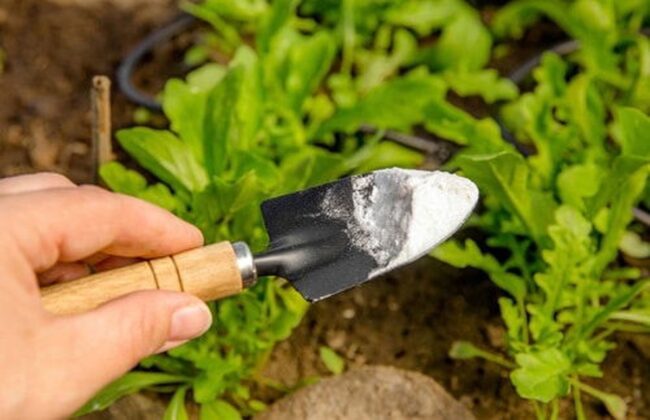
Baking soda spray is a powerful homemade garden solution that tackles multiple plant problems with simple kitchen ingredients.
One tablespoon of baking soda combined with one tablespoon of vegetable oil and a few drops of liquid soap becomes a natural defense against powdery mildew and garden insects.
Amateur and experienced gardeners appreciate this budget-friendly alternative to expensive commercial treatments.
Plants stay healthier without harsh chemicals when sprayed with this gentle solution.
Mixing the ingredients takes just minutes and costs pennies compared to store-bought options.
Garden pests like fungal infections and small bugs quickly retreat from this affordable, eco-friendly spray.
Home gardeners can protect their plants naturally and save money with this simple recipe.
Seed Starters
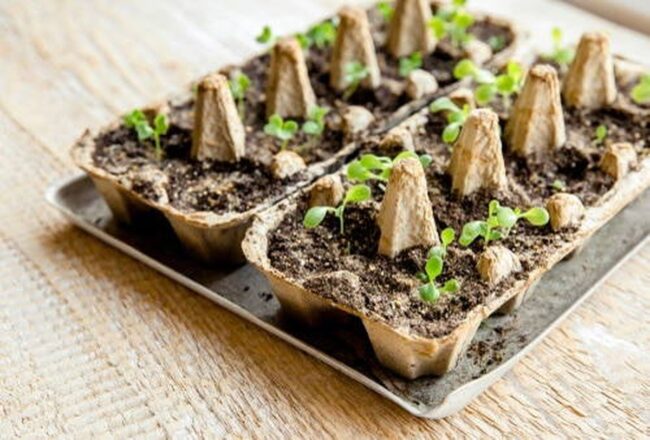
Seed starters maximize gardening potential by repurposing everyday household items into clever seed-starting containers.
Toilet paper rolls provide perfect biodegradable tubes for seedling growth.
Eggshells work wonderfully as mini planters with natural calcium benefits.
Ice cube trays create uniform small spaces for tiny seeds to sprout.
Plastic yogurt cups become excellent protective homes for delicate plant beginnings.
Recycling common kitchen items reduces waste while supporting plant development.
Innovative seed-starting methods help budget-conscious plant lovers grow healthy gardens without spending extra cash.
Reuse Tea Leaves and Bags for the Garden
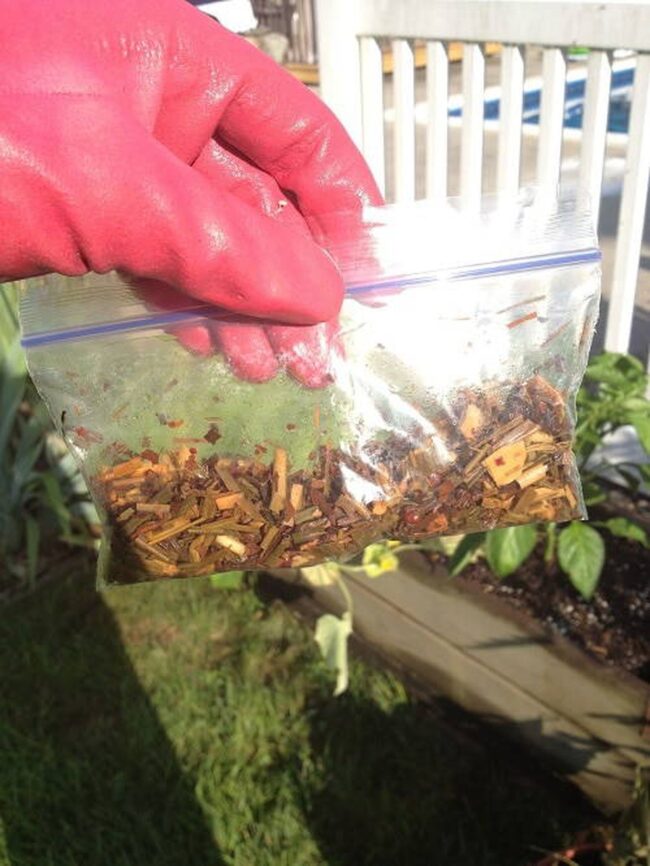
Tea leaves and bags boost garden soil with essential nutrients that strengthen plant growth.
Used tea bags provide phosphorus and potassium that help plants develop robust roots and healthy structures.
Decomposing tea leaves enrich soil composition while preventing nitrogen deficiencies.
Organic gardening experts recommend mixing tea remnants into garden beds for improved plant health.
Compost piles welcome these caffeine-rich additions as nutrient-packed supplements.
Recycling tea waste supports sustainable gardening practices without expensive chemical treatments.
Frugal plant lovers can transform kitchen scraps into powerful soil amendments with this simple technique.
Fertilizer Tea
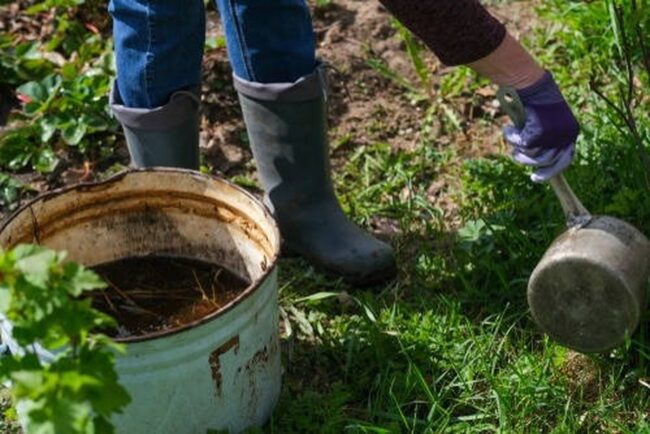
Fertilizer tea brews liquid gold for garden nutrition from everyday household materials.
Wood ash, finished compost, and grass clippings become powerful plant food through simple steeping techniques.
Natural minerals and beneficial microorganisms infuse the liquid with growth-boosting properties.
This homemade fertilizer provides an affordable alternative to commercial products.
Chemical-free and environmentally friendly, the tea nourishes soil and plants without expensive investments.
Steep ingredients for several days, then strain and apply directly to garden beds.
Healthy plants grow stronger with this budget-friendly, nutrient-packed liquid solution.
Seed Saving
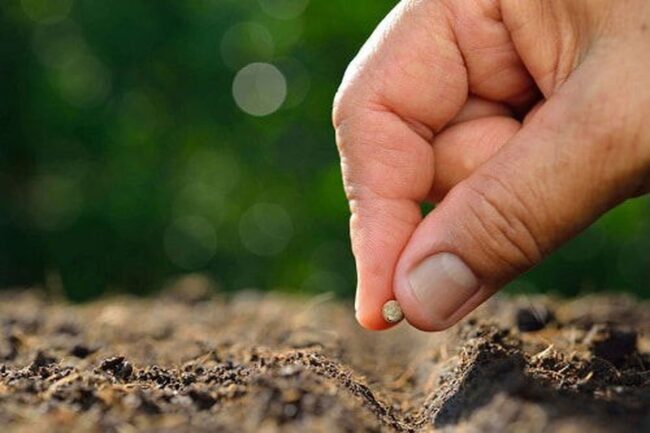
Seed saving preserves garden diversity and slashes gardening expenses with minimal effort.
You can collect mature seeds from healthy vegetables, herbs, grains, and flowers at the end of their growing season.
Each plant produces numerous seeds you can dry and store for future planting.
Mature seed pods or flower heads signal the perfect harvest time for collecting.
Simple paper envelopes or glass jars work perfectly for storing dried seeds in cool, dark spaces.
Label each seed container with plant name and collection date to maintain organization.
Irrigation
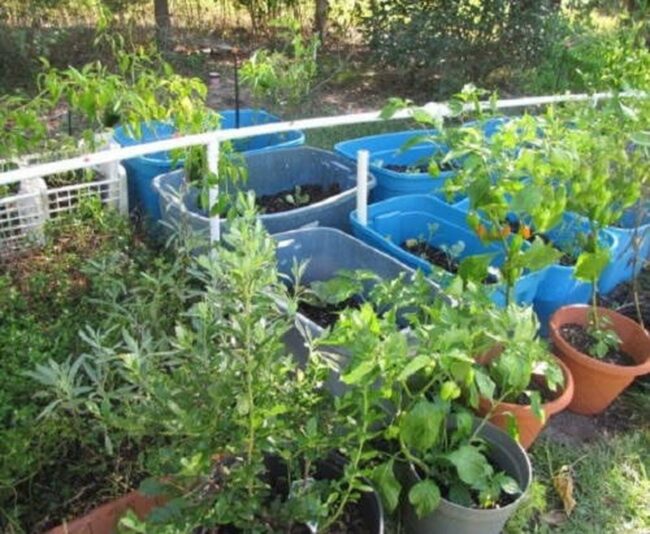
Diy irrigation systems save gardeners significant money and reduce daily watering chores.
Water conservation methods eliminate constant plant monitoring and manual hydration tasks.
Simple household containers like plastic bottles and buckets become ingenious watering tools with minimal effort.
Recycled materials create effective moisture delivery systems for garden beds and container plants.
Kitchen twine, small holes, and gravity help transfer water directly to plant roots without waste.
Homemade drip irrigation techniques work perfectly for vegetable gardens, herb planters, and small landscape areas.
Strategic placement of water reservoirs ensures steady moisture for plants during hot summer weeks.
Propagate Succulents Using Leaf Cuttings
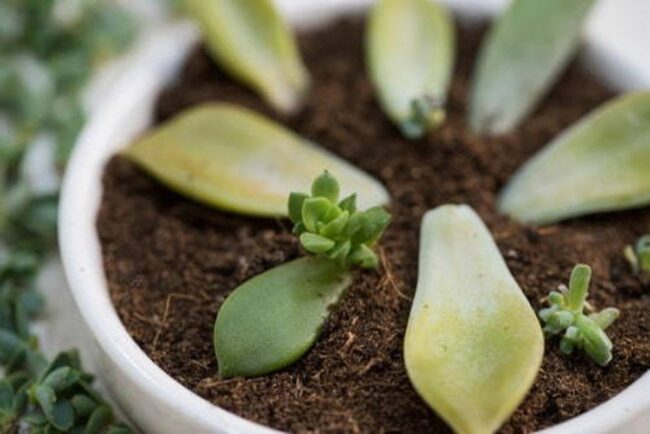
Succulent leaf propagation sparks garden magic with minimal effort and zero cost.
Smart gardeners collect healthy leaves from mature succulent plants for instant multiplication.
Fallen or gently twisted leaves work perfectly for starting new green friends.
Each leaf contains magical genetic potential to sprout roots and baby plants within weeks.
Laying leaves on well-draining soil provides the ideal environment for root development.
Water sparingly and watch tiny rosettes emerge from seemingly lifeless leaf fragments.
Patience rewards you with multiple free plants that multiply your garden collection effortlessly.
Succulent leaf propagation transforms spare plant parts into a thriving botanical collection without spending money on new nursery plants.
Freebies
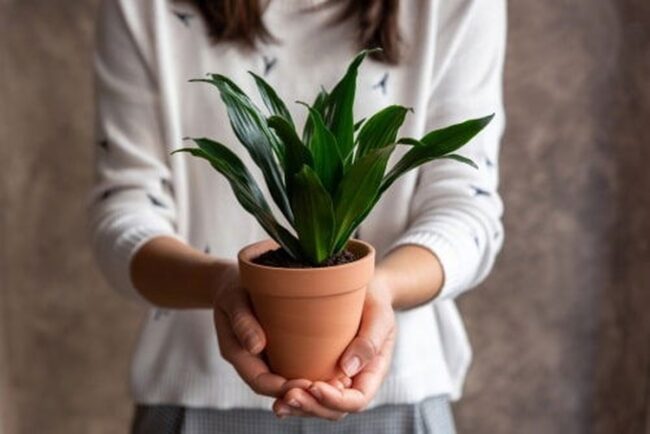
Garden freebies provide budget-conscious gardeners incredible opportunities to score valuable resources without spending money.
Craigslist and Freecycle Network connect you directly with local people giving away gardening supplies, plant containers, tools, and materials.
Savvy gardeners know these platforms become treasure troves for discovering unexpected gardening gems.
Online communities help you network with neighbors who might have extra pots, unused landscaping rocks, or surplus seedlings waiting for a new home.
Checking these free sections regularly can uncover amazing finds that would otherwise cost significant money at retail stores.
Scrolling through local listings takes minimal effort but can yield substantial savings for your garden project.
Strategic searching can help you stock up on essential gardening items without breaking your budget.
Smart gardeners leverage these free resources to expand their garden while keeping expenses low.
Wood Ash
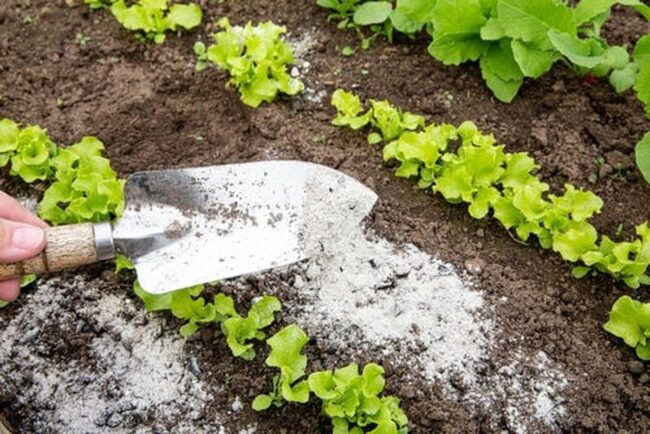
Wood ash enriches garden soil with essential minerals like zinc, copper, and iron while naturally increasing soil ph for healthier plant growth.
Pure ash from untreated wood provides a free and effective soil amendment for vegetable and flower gardens.
Cool wood ash works best when mixed gently into the top layers of soil before planting season begins.
Home gardeners save money by using this natural fertilizer from fireplace or wood stove remnants.
Ash helps balance acidic soils and supports strong plant development without expensive commercial products.
Careful application prevents over-concentration of minerals in any single garden area.
Smart gardeners collect and store wood ash in dry containers for strategic use throughout the growing season.
Garlic
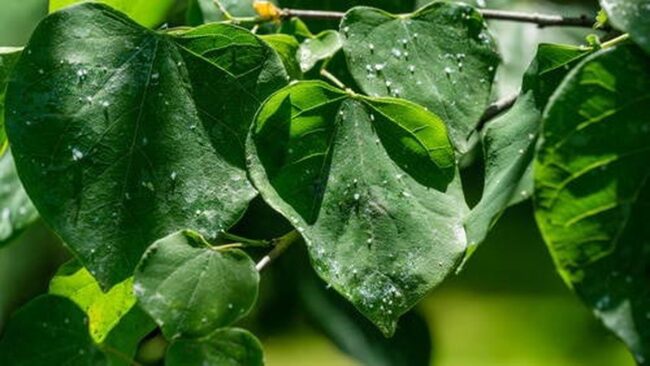
Garlic sprays are powerful plant protectors packed with natural pest-repelling magic.
Sulfur compounds in garlic make it an incredible garden defense weapon against rodents and fungi.
Farmers and gardeners have long known this simple trick works wonders for plant health.
Home gardeners can easily create a homemade spray by blending fresh garlic cloves with water.
Strain the mixture and pour into a spray bottle for direct application on garden plants.
Pests dislike the strong smell and will quickly move away from treated areas.
Cost-effective and chemical-free, this method saves money while keeping gardens healthy.
Banana Peels
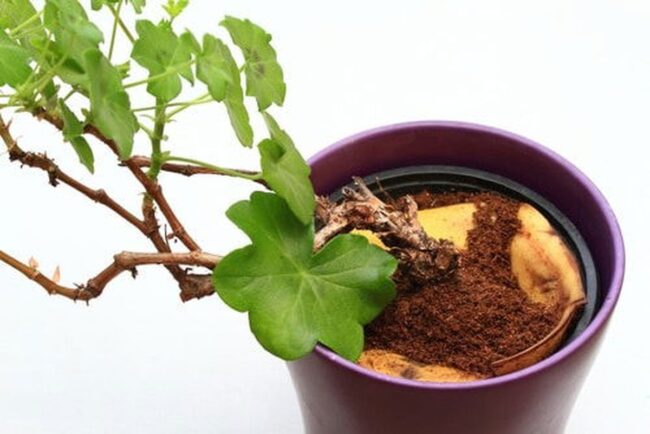
Banana peels are garden magic for plant nutrition and growth.
Packed with potassium and phosphorous, these kitchen scraps provide essential nutrients for your garden.
Sprinkle the powder around plant roots to boost flowering and overall plant health.
Simple kitchen waste transforms into a natural fertilizer that supports strong root systems.
Sustainable gardening practices help you save money while nourishing your plants.
Drying and grinding banana peels takes minimal effort with maximum garden benefits.
Zero-waste gardening becomes easy with this smart organic fertilizer technique.
Aquarium Water
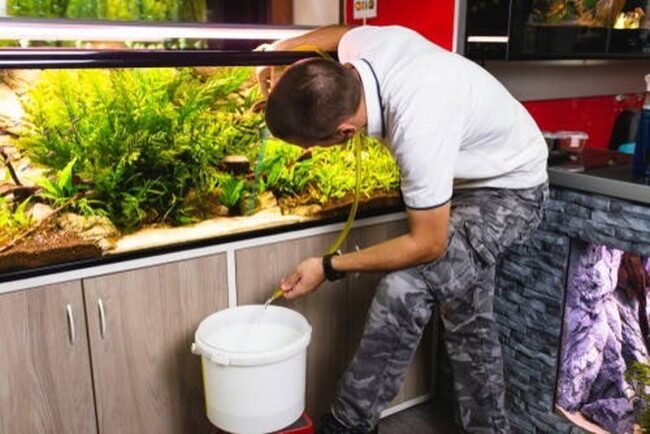
Aquarium water is a secret weapon for gardeners seeking free, nutrient-rich plant fertilizer.
Old fish tank water contains natural waste and beneficial bacteria that supercharge plant growth.
Recycling this liquid gold helps you save money while providing excellent nutrients for your garden.
Drain the water carefully from your fish tank into a bucket or watering can.
Plants absorb the organic compounds and nitrogen-rich elements quickly, promoting healthier roots and foliage.
Tropical fish tanks work especially well for this gardening hack.
Skip chemical fertilizers and use this natural, cost-effective alternative instead.
Passionate gardeners appreciate this simple technique for nurturing plants without spending extra cash.
Hot Peppers
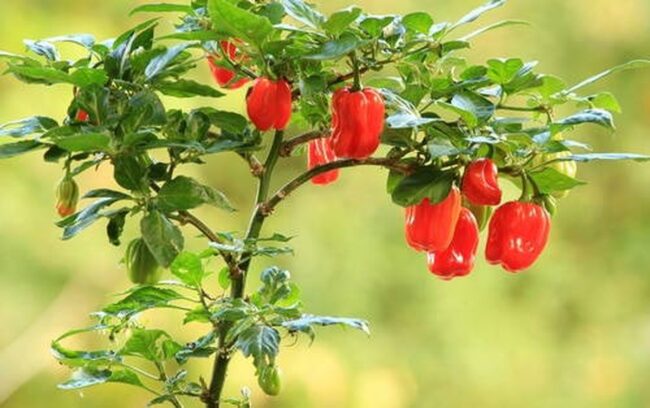
Hot peppers are natural pest deterrents that gardeners can easily craft at home.
These spicy champions pack powerful defensive properties against unwanted garden invaders.
Capsaicin creates a natural barrier that most insects and small animals dislike.
Habanero, cayenne, and jalapeno peppers work best for this homemade solution.
Simply blend the peppers thoroughly and strain the mixture before applying to affected garden areas.
Spray carefully around plant bases and vulnerable sections of your garden.
This budget-friendly method helps protect your plants without harsh chemicals.
Reclaimed Wood
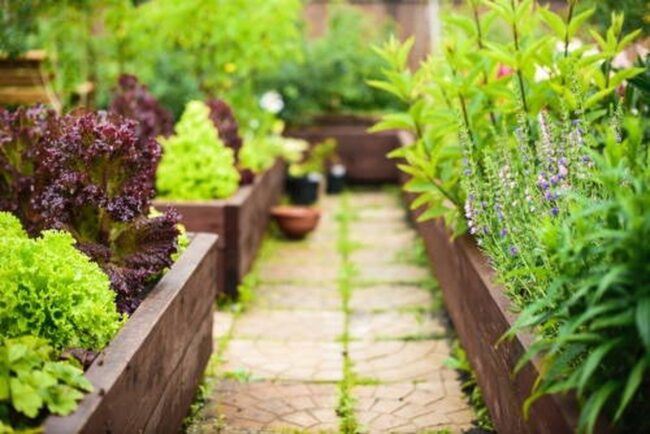
Reclaimed wood projects are budget-friendly garden solutions that breathe new life into discarded materials.
Wooden boards transform easily into functional garden structures like raised beds, walkways, and compost bins.
DIY gardeners save money by repurposing these materials instead of buying expensive supplies.
Flower pot holders crafted from recycled wood add rustic charm to outdoor spaces.
Careful sanding and treatment protect wooden elements from weathering and extend their usefulness.
Pallet wood provides sturdy frameworks for vertical gardens and plant supports.
Smart gardeners love these creative recycling techniques that reduce waste and improve garden aesthetics.
Epsom Salt
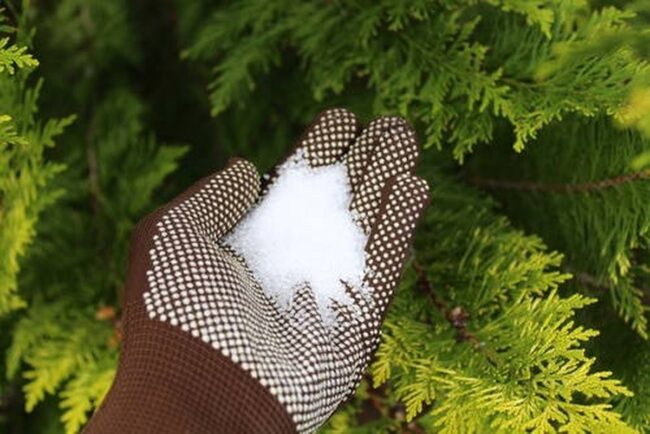
Epsom salt powers plant nutrition by supercharging mineral absorption and boosting essential growth processes.
Magnesium in Epsom salt triggers critical photosynthesis mechanisms that strengthen plant health.
Salt crystals work quickly to improve soil conditions and support robust plant development.
Simple application methods include dissolving salt in water or directly spreading granules near plant bases.
Experienced cultivators recognize Epsom salt as a secret weapon for nurturing thriving garden ecosystems.
Budget-conscious plant lovers can leverage this inexpensive mineral to maximize garden potential without costly chemical alternatives.
Seed Swapping

Seed swapping empowers gardeners to expand their plant collection without spending money.
Networking helps you discover unique plant varieties and rare seeds.
Facebook groups, classified ads, and community programs become excellent resources for seed exchanges.
Neighbors and fellow gardeners offer opportunities to diversify your garden collection.
Swapping seeds reduces purchasing costs and introduces exciting new plant species.
Local gardening clubs provide perfect environments for these seed trading interactions.
Sharing seeds builds community connections while helping everyone grow diverse and interesting gardens.
Division
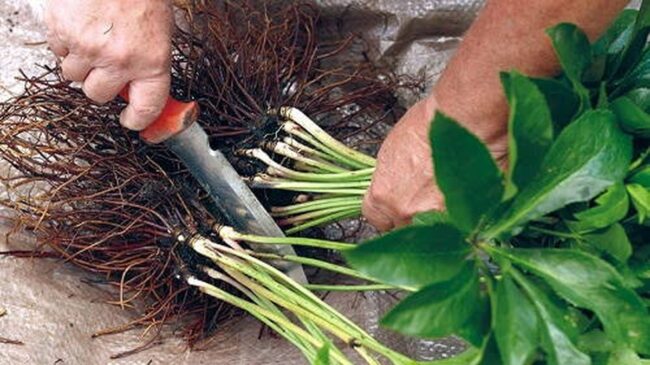
Plant division sparks free garden expansion by splitting mature perennials into multiple healthy new plants.
Root systems like hostas, daylilies, and ornamental grasses multiply quickly through careful splitting techniques.
Strategic divisions help fill empty garden spaces without purchasing additional plants.
Healthy perennials develop stronger root networks when divided every three to four years.
Spring and early fall provide ideal times for completing this budget-friendly propagation method.
Mature plant clumps separate easily with sharp garden spades or specialized root-cutting tools.
Successful divisions ensure lush, dense garden beds that continue expanding without extra expense.
Leaf Mold
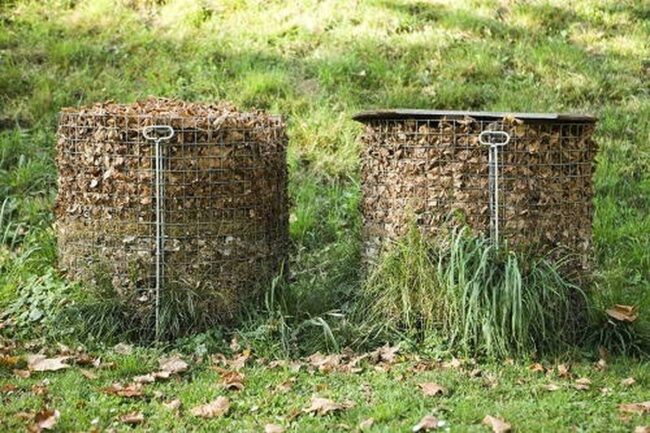
Leaf mold enriches garden soil with minimal effort and zero cost.
Collecting leaves from trees creates a free, nutrient-dense compost that dramatically improves soil structure.
Decomposing leaves break down slowly, generating a dark, crumbly material packed with essential nutrients.
Organic gardeners appreciate leaf mold for its incredible water retention properties, helping soil hold moisture up to 50 percent longer.
Spreading this natural fertilizer around plants feeds the soil and supports healthy plant growth.
Maple, oak, and other deciduous tree leaves work perfectly for making leaf mold.
Home gardeners can easily make this resource by piling leaves in a corner of the yard and letting nature do the work.
Containers
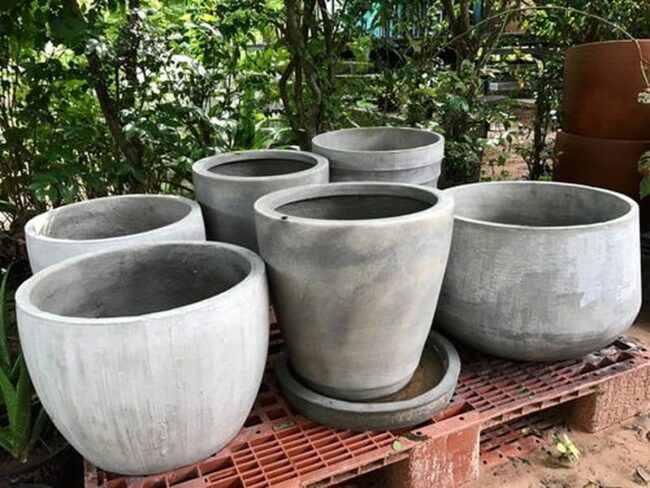
Upcycled containers are budget-friendly garden magic for plant lovers seeking creative solutions.
Household items like mason jars, wooden crates, old buckets, and retired furniture suddenly become charming plant homes with minimal effort.
Recycling everyday items reduces waste while giving plants stylish new homes that cost almost nothing.
Kitchen colanders, tin cans, rubber boots, and wooden drawers work perfectly as unexpected plant containers.
Plastic bottles cut and painted can become hanging baskets or vertical garden spaces.
Vintage teapots, metal tins, and broken wheelbarrows add personality to garden spaces.
Imaginative recycling turns potential trash into beautiful green sanctuaries that spark conversation and save cash.
Plant Cuttings
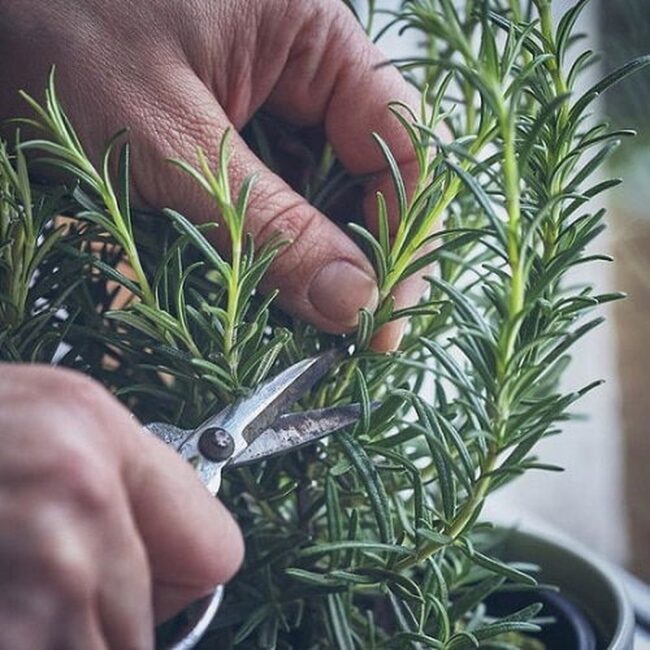
Plant cuttings multiply garden favorites without spending extra cash.
Softwood or hardwood cuttings work well for many shrubs and herbs.
Simple techniques help roots develop faster when placed in water or rooting hormone powder.
Successful propagation depends on selecting strong plant sections with multiple leaf nodes.
Moisture levels and indirect sunlight play crucial roles in helping cuttings establish roots.
Weekend gardeners can save serious money by mastering this budget-friendly technique.
Patience rewards you with free plants that expand your garden's beauty and diversity.
Eggshells
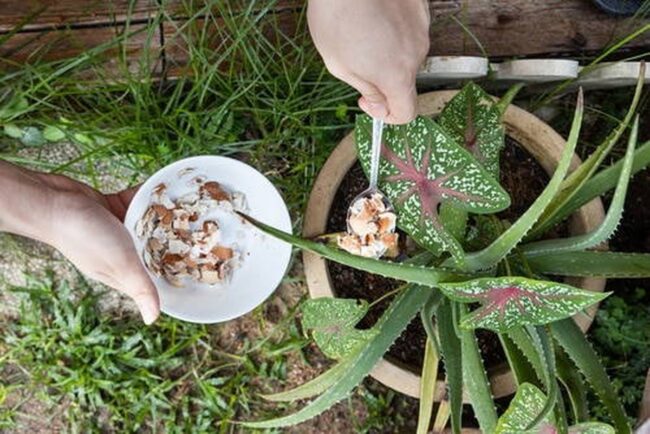
Eggshells are a powerful calcium boost for garden plants with zero waste and minimal effort.
Calcium-rich shells strengthen plant cell walls and support healthy growth for tomatoes, peppers, apples, and lettuce.
Ground eggshells slowly release essential nutrients directly into soil, improving plant resilience and productivity.
Kitchen scraps transform into garden gold through this simple recycling technique.
Smart gardeners collect and dry shells after cooking, then grind them with minimal tools.
Simple crushing methods work best for quick nutrient distribution.
Free fertilizer becomes an easy win for budget-conscious plant lovers.
Use Probiotics to Boost Plant Health
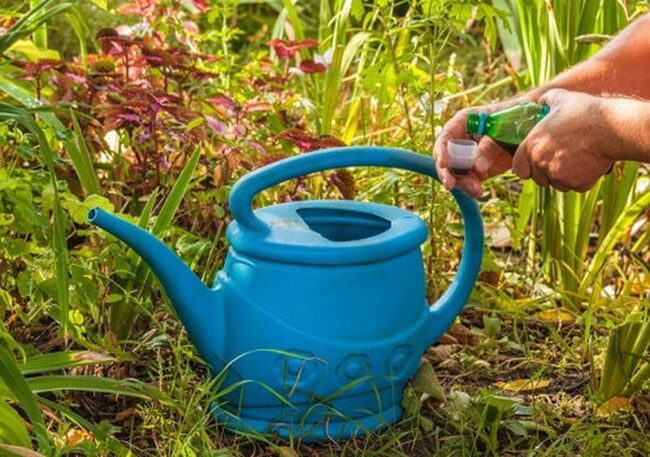
Produce plant probiotics supercharge garden health by introducing beneficial microorganisms into soil ecosystems.
Healthy bacteria enhance soil quality and strengthen plant immune systems.
Homemade probiotic solutions help vegetables and fruits develop stronger root networks.
Simple ingredients like compost tea or milk mixtures encourage microbial diversity.
Fermented organic materials provide natural bacterial boosters for garden beds.
Careful application of these probiotic strategies supports sustainable plant development.
Experienced growers understand these techniques improve overall garden productivity and plant resilience.
Cinnamon
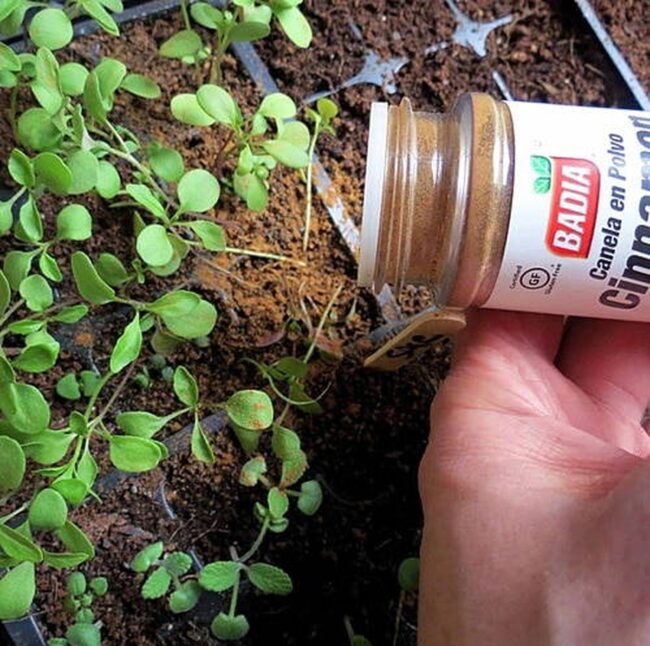
Cinnamon is a powerful natural solution for garden health problems that can save money and protect plants from harmful fungal issues.
Steep a few teaspoons of ground cinnamon in warm water overnight to create an effective plant spray.
This simple treatment fights dangerous fungal conditions like damping off and powdery mildew without using harsh chemicals.
Home gardeners appreciate how quickly cinnamon works to stop potential plant diseases.
Homeowners appreciate its affordable cost compared to commercial fungicides.
Small amounts of this common spice provide incredible protection for delicate seedlings and mature plants.
Experienced gardeners recommend keeping cinnamon as a standard tool in their plant care arsenal.
Coffee Grounds
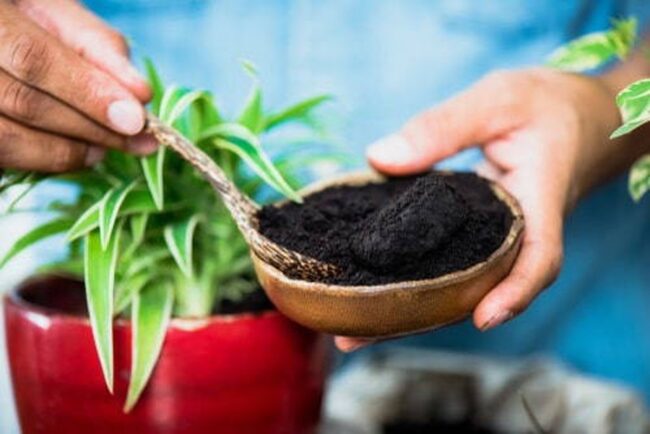
Coffee grounds are incredible soil boosters packed with natural nitrogen that supercharge plant growth.
Used coffee waste provides a free and eco-friendly fertilizer solution for your plants.
Mixing grounds into compost piles adds rich organic matter that helps soil structure and feeds beneficial microbes.
Fresh coffee remnants work perfectly as a natural mulch around plants to retain moisture and suppress weeds.
Vegetable gardens and flower beds respond amazingly well to this simple recycling technique.
Home gardeners can collect grounds from local cafes or their morning brew to support plant health.
Free fertilizer and improved soil quality make coffee grounds a smart gardening hack that saves money and helps plants thrive.
Vinegar
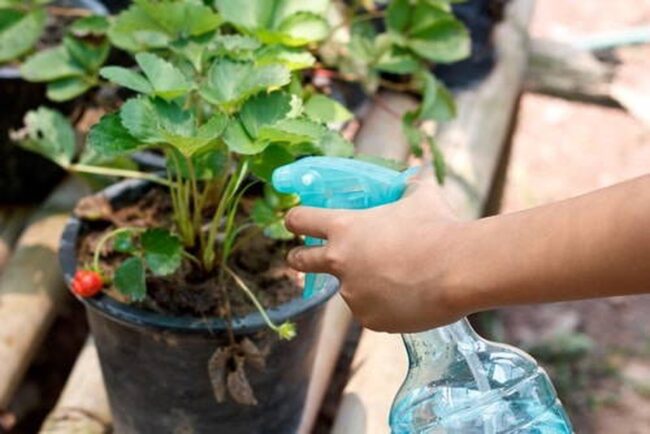
Vinegar treatments rescue acid-loving plants with minimal effort and cost.
Strawberries, blueberries, azaleas, gardenias, and rhododendrons thrive with this simple solution.
Careful application around plant bases helps regulate soil acidity naturally.
Low-cost and effective, this method prevents expensive fertilizer purchases.
Precise dilution ensures plants receive proper nutrient balance without damage.
Home gardeners can transform their garden's performance with this budget-friendly technique.
Bring In Helpful Garden Bugs

Beneficial insect attraction provides a natural pest control strategy for gardeners seeking economical garden management.
Specific flowering plants like marigolds, lavender, and dill create welcoming environments for helpful insects.
Ladybugs, lacewings, and predatory wasps become garden allies that consume harmful pests without chemical interventions.
Strategic plant selection helps gardeners build ecological defense systems around vegetable and flower beds.
Native wildflowers work especially well for drawing these protective insects into garden spaces.
Planting diverse flowering herbs near vegetable patches increases the likelihood of attracting helpful bug populations.
Compact garden designs can maximize insect diversity with carefully chosen plant arrangements.
Small investments in pollinator-friendly seeds yield significant long-term benefits for garden health and productivity.
Potting Soil
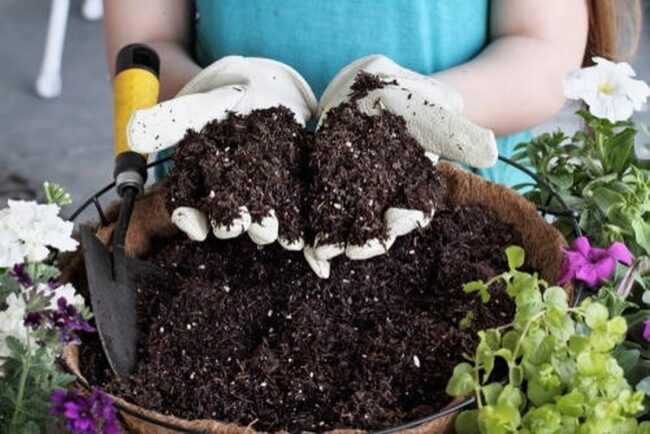
Homemade potting soil saves gardeners significant money and provides complete control over plant nutrition.
Basic recipes typically combine equal parts organic matter and mineral components for optimal drainage and nutrient balance.
Experienced growers mix their own soil to match specific plant requirements without purchasing expensive commercial mixes.
Mixing ingredients like vermiculite, sand, and decomposed leaves creates lightweight, rich growing mediums.
Simple materials from backyard sources help reduce gardening expenses while improving plant health.
Crafting personalized potting soil becomes an enjoyable and rewarding garden skill that connects you directly with plant growth.
Humus
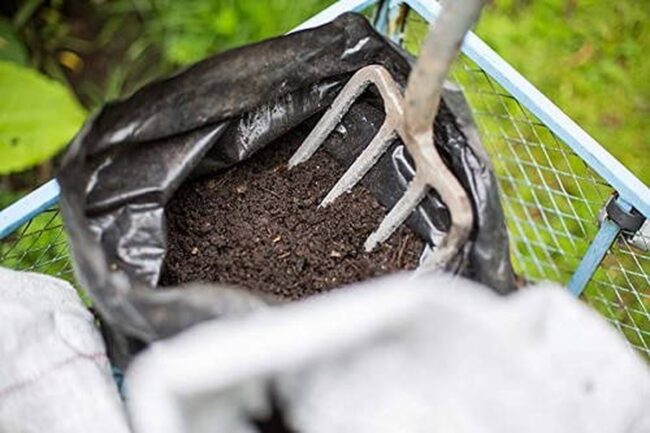
Humus enriches garden soil with powerful nutrients and beneficial microorganisms that supercharge plant growth.
Kitchen scraps, yard waste, and organic materials break down into dark, crumbly substance over time.
Microbes work hard to transform waste into a nutrient-dense soil amendment.
Home composting systems help you produce humus easily and inexpensively.
Compost bins can sit in a corner of your yard, quietly converting waste into garden gold.
Healthy plants thrive when you mix humus into garden beds and containers.
Rich, dark humus improves soil structure, drainage, and overall plant nutrition naturally.