
What Are Plants That Love or Hate Coffee Grounds?
Coffee grounds have emerged as a fascinating topic in the gardening and plant care world.
Gardeners and plant enthusiasts are increasingly curious about the potential benefits and drawbacks of using coffee waste as a natural soil amendment.
The relationship between plants and used coffee grounds is complex and nuanced, involving multiple factors like soil composition, plant species, and nutrient requirements.
Some plants thrive when coffee grounds are added to their environment, while others may experience stress or stunted growth.
Understanding the intricate interactions between coffee grounds and different plant varieties can help gardeners make informed decisions about their plant nutrition strategies.
Plant lovers are constantly seeking sustainable and eco-friendly ways to nourish their green companions, and coffee grounds represent an intriguing option in this quest.
The key lies in knowing which plants appreciate this organic material and which ones might react negatively to its presence.
Snake Plant
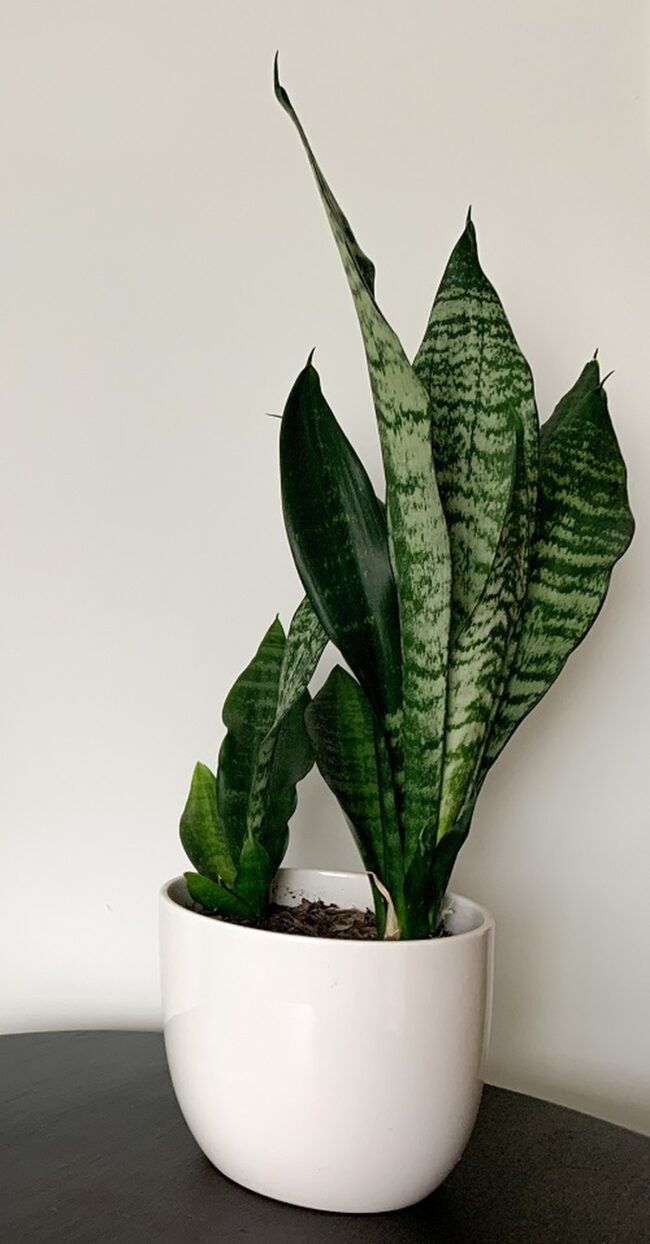
Snake plants thrive on coffee ground fertilizer, delivering a nutrient-rich boost to their robust growth.
Brewing a mild coffee solution with one part coffee and two parts water provides an excellent tonic for these hardy houseplants.
Coffee grounds introduce essential minerals like nitrogen, phosphorus, and potassium that strengthen the plant's overall health.
Regular applications help snake plants maintain their signature upright, architectural form in indoor spaces.
Careful mixing prevents over-concentration of acids that might harm delicate root systems.
Moderate application ensures snake plants receive gentle, balanced nutrition without risking root damage.
Holly

Holly plants love coffee grounds because they supercharge soil nutrients and encourage robust growth.
Coffee's natural acidity helps these evergreen shrubs develop rich green leaves and plentiful berries.
Microbes in the soil thrive with this organic addition, breaking down nutrients quickly.
Caffeine acts like a natural fertilizer, stimulating plant health and vigor.
Small amounts of coffee grounds provide essential minerals like nitrogen and potassium.
Careful application prevents over-acidifying the soil and supports holly's overall wellness.
Regular coffee ground treatments result in stronger, more vibrant holly shrubs with impressive berry production.
African Violet

African violets love rich, acidic soil with extra nitrogen from coffee grounds.
Coffee grounds provide these delicate plants with essential nutrients that boost their growth and flowering potential.
Sprinkling small amounts of used coffee grounds around the base of African Violets helps improve soil structure and fertility.
Plant roots absorb the organic matter, promoting stronger stems and more vibrant blooms.
Careful application prevents overwhelming the sensitive plant with excessive acidity.
Home gardeners appreciate this simple, budget-friendly method of nurturing their indoor plants.
Coffee grounds contribute valuable minerals that encourage robust African Violet growth without requiring complex fertilization techniques.
Blueberries
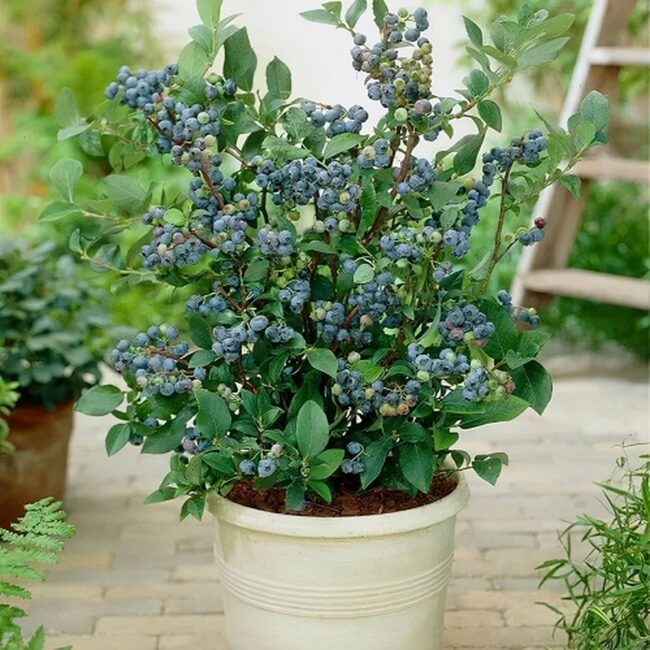
Blueberries relish acidic soil conditions and grow robustly when nourished with coffee grounds.
Rich organic matter from coffee helps these plants develop stronger root systems and more abundant fruit production.
Consistent coffee ground applications support healthier blueberry shrubs with increased vigor.
Nitrogen-packed coffee grounds act as a natural fertilizer for these delightful berry plants.
Careful application encourages larger, sweeter berries with minimal effort.
Watching blueberry bushes thrive becomes a rewarding experience for home gardeners committed to sustainable plant care.
Hydrangeas
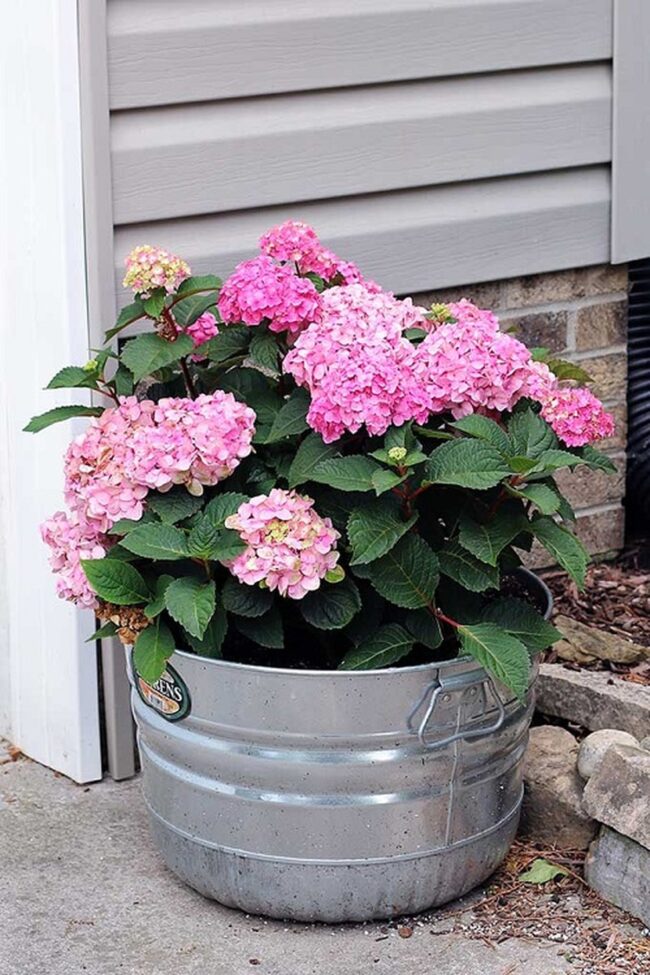
Hydrangeas love coffee grounds as a powerful soil amendment that supercharges their growth and bloom production.
Rich organic material in coffee promotes healthier plant development and deeper root systems.
These beautiful shrubs respond particularly well to the nitrogen and minerals found in coffee waste.
Dark grounds gradually break down, improving soil structure and acidity levels.
Acidic soil conditions help hydrangeas generate more intense blue or purple flower colors.
Careful application ensures hydrangeas receive just the right amount of this natural fertilizer without overwhelming their delicate root systems.
Azalea

Azaleas bloom spectacularly when coffee grounds boost their soil's acidity and nutrient profile.
Nitrogen-rich coffee grounds work magic in small quantities, encouraging robust azalea development.
Careful application helps prevent potential over-fertilization that might stress the plants.
Monitoring soil conditions ensures these beautiful flowering plants receive optimal nutrition.
Checking nitrogen levels beforehand prevents potential growth complications.
Balanced care transforms azaleas into stunning garden centerpieces with lush, colorful blooms.
Christmas Cactus
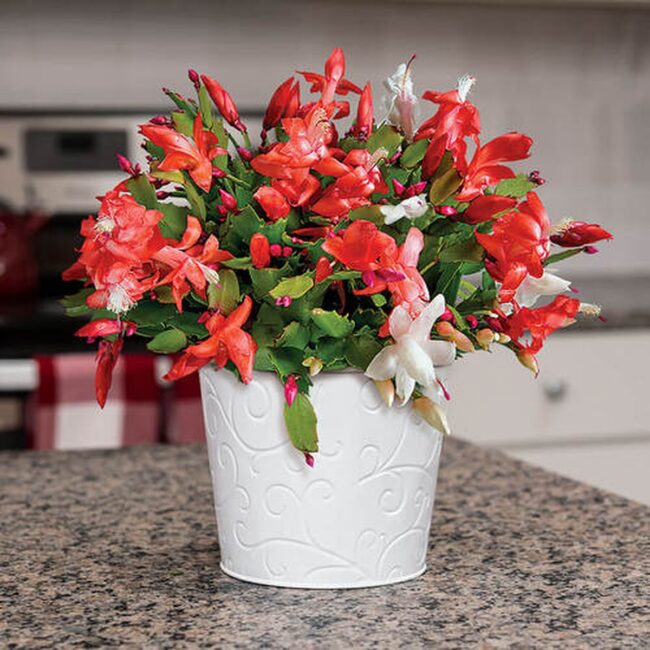
Christmas cactus loves coffee grounds as a nutrient-packed fertilizer that supercharges plant growth.
Rich in nitrogen and minerals, coffee grounds provide essential nutrition that stimulates robust development.
Moderate monthly applications encourage stronger root systems and more vibrant flower production.
Careful measurement prevents over-fertilizing, which could harm the delicate plant's balance.
Weekend gardeners appreciate this simple, affordable method for nurturing their indoor greenery.
Coffee grounds act like a natural supplement, giving Christmas cactus the exact boost it craves.
Spider Plant
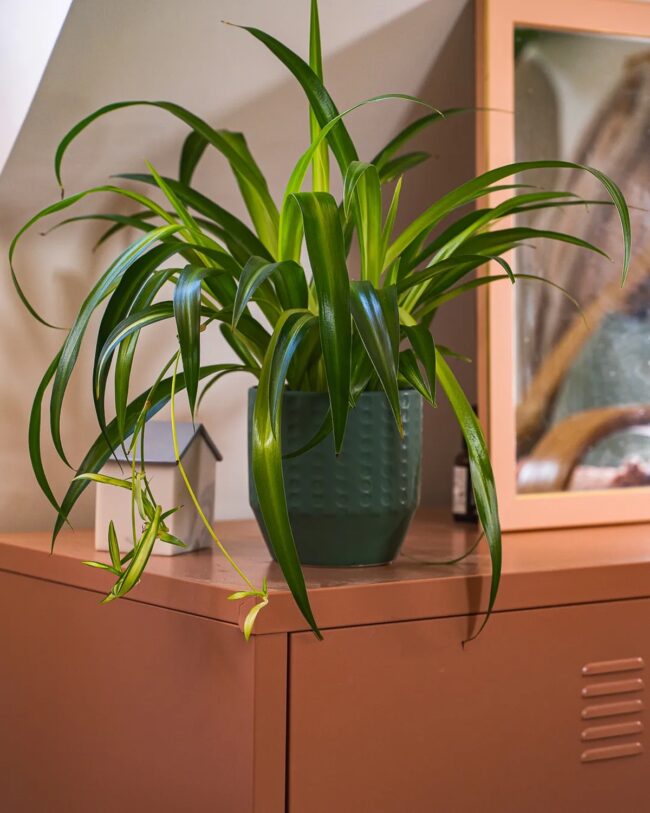
Spider plants crave coffee ground nutrients that supercharge their growth and green-white striped beauty.
One part coffee mixed with three parts water creates a monthly fertilizing routine that helps spider plants develop robust roots and lush foliage.
Coffee grounds provide essential minerals that strengthen plant health and encourage vigorous leaf development.
Houseplant lovers quickly learn this simple trick can transform ordinary spider plants into spectacular indoor greenery.
Home gardening becomes more sustainable and cost-effective when recycling coffee waste into plant nutrition.
Healthy spider plants reward careful nurturing with dramatic leaf patterns and resilient growth patterns.
Roses
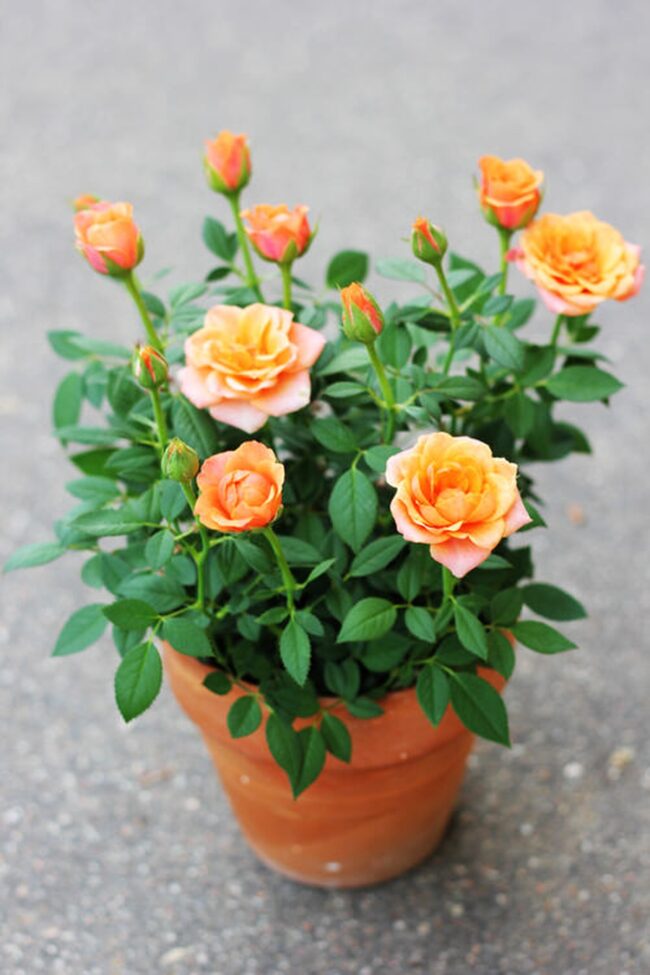
Roses flourish with coffee grounds' rich nitrogen boost, providing an exceptional natural fertilizer for these classic garden beauties.
Coffee water delivers essential minerals that stimulate robust root development and encourage lush green foliage.
Nitrogen-packed coffee grounds work perfectly as an organic soil amendment for these beloved flowering plants.
Applying coffee grounds monthly helps roses produce more abundant and deeply colored blooms.
Garden lovers appreciate this eco-friendly approach to plant nutrition that supports strong, healthy rose bushes.
Careful application ensures roses receive just the right amount of this natural, caffeine-infused fertilizer.
Pothos
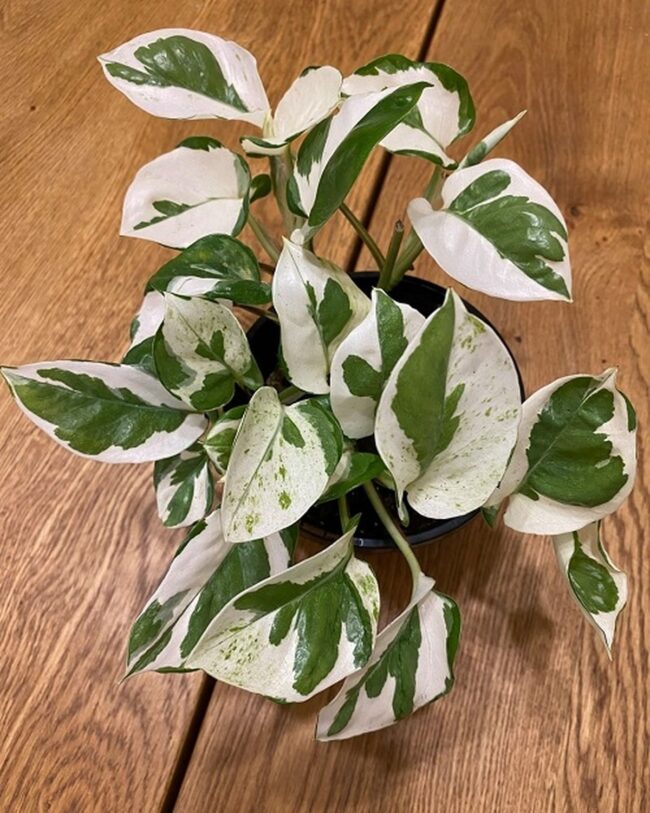
Pothos are adaptable houseplants that welcome coffee ground fertilization for robust growth.
Small amounts of used coffee grounds mixed into potting soil provide nitrogen and improve soil structure for pothos.
Coffee's natural acidity helps these trailing plants develop stronger root systems and deeper green leaves.
Experienced plant lovers recommend adding coffee grounds sparingly, about once every two months to prevent soil compaction.
Mixing dried coffee grounds directly into the soil or brewing a weak coffee solution works best for nourishing pothos.
Home gardeners find these techniques simple and effective for supporting healthy plant development.
Pothos plants thrive with this gentle, organic nutrient boost that mimics their natural forest floor environment.
Cyclamen
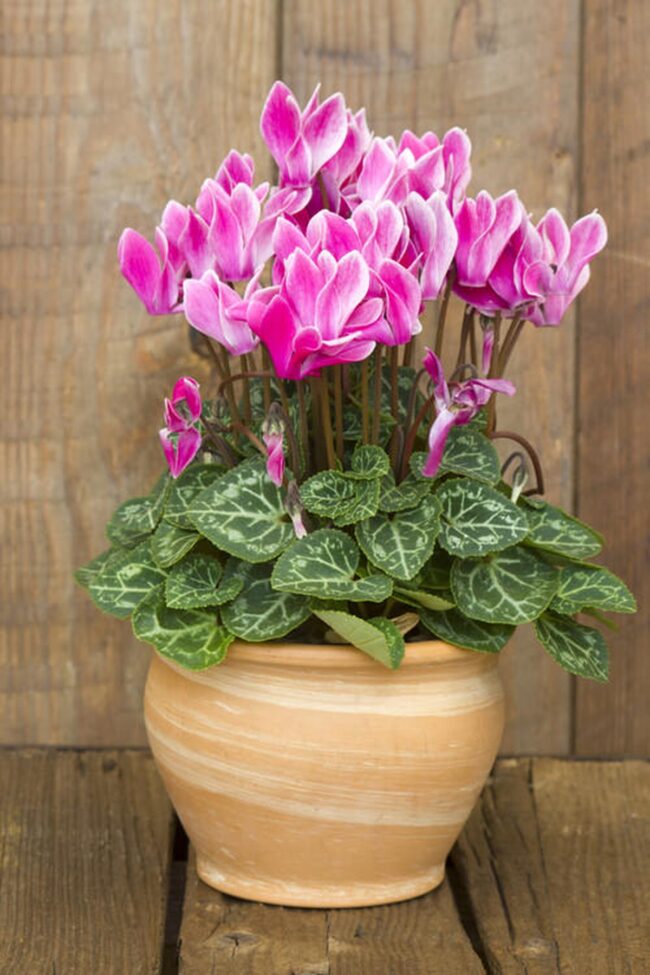
Cyclamen cherish moderate coffee ground applications as a gentle nutrient boost for their delicate flowering needs.
Rich organic material from coffee helps cyclamen develop stronger root systems and more robust blooms.
Careful mixing prevents overwhelming the plant's sensitive environment.
Moderate doses provide essential minerals that support cyclamen growth without causing soil acidity problems.
Coffee ground treatments work best during active growing seasons when plants require extra nutritional support.
Experienced plant lovers recommend sprinkling thin layers of used coffee grounds around plant bases.
Cool techniques like these help cyclamen thrive with minimal intervention and maximum botanical happiness.
Lily of the Valley
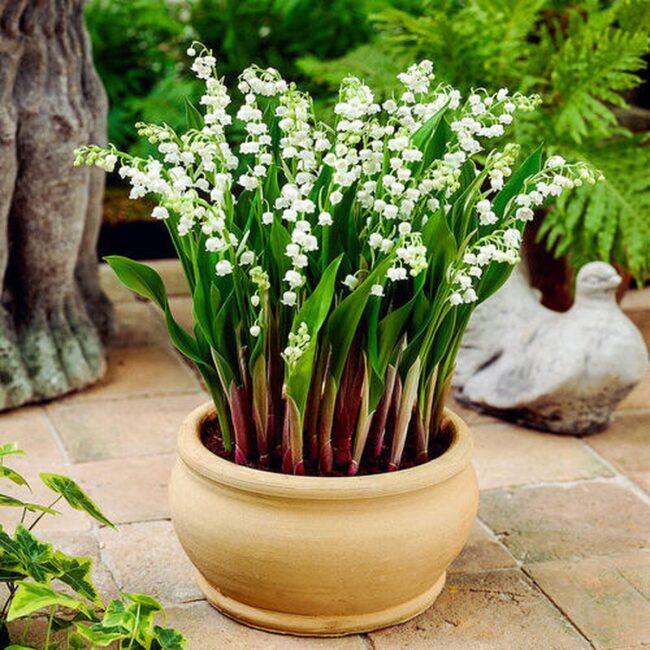
Lily of the valley flourishes with coffee grounds, providing a nutrient-packed boost to its delicate growth.
Small amounts of used coffee grounds mixed into soil help lily of the valley develop stronger roots and more vibrant blooms.
Mild acidic properties in coffee support the plant's health without overwhelming its gentle nature.
Applying grounds sparingly every few months ensures steady nutrition for these elegant flowers.
Woodland gardens benefit from lily of the valley's graceful presence and low-maintenance character.
Careful gardeners can transform kitchen waste into a beautiful landscape feature with this simple technique.
Jade Plant

Jade plants devour coffee grounds as a nitrogen-rich supplement that energizes their growth and strengthens their iconic thick stems.
Succulents like jade absolutely love this unexpected fertilizer boost that supports robust leaf development.
Coffee solutions work magic when applied monthly to these plants, providing essential nutrients that spark vibrant health.
Nitrogen from coffee helps jade plants build strong cellular structures and maintain their signature plump appearance.
Careful application prevents over-fertilization, which could harm these sensitive succulents.
Experienced plant lovers recommend using coffee grounds sparingly to maintain optimal plant nutrition.
Jade plants respond wonderfully to this organic treatment, showing improved vigor and lush green coloration.
Philodendron

Philodendron loves nutrient-rich soil amendments that spark robust growth and deep green leaf development.
Coffee grounds provide essential minerals that strengthen this tropical plant's root system and overall health.
Mixing a small amount of used coffee grounds into potting soil encourages philodendron to grow more vigorously and maintain rich coloration.
Applying diluted coffee water monthly gives an extra nutritional boost that helps leaves look lush and full.
Careful application prevents potential soil acidity issues that could harm delicate plant roots.
Coffee grounds work best when sprinkled sparingly and mixed thoroughly with existing potting mix.
Experienced plant lovers recommend using grounds from medium-roast coffee for optimal plant nutrition.