
Surprising Facts About Cats and Tomatoes: Safety Guide
Feline dietary curiosities often spark questions about tomato consumption among cat owners and pet enthusiasts.
Tomatoes belong to the nightshade family and present potential health risks for our whiskered companions.
Cats have unique digestive systems that differ significantly from human metabolic processes, making certain human foods potentially dangerous for them.
The green parts of tomato plants, including stems and leaves, contain toxic compounds that can harm cats if ingested accidentally.
Raw or unripe tomatoes pose more significant health hazards compared to ripe tomatoes, which might have slightly less harmful effects.
Pet owners should exercise extreme caution and consult veterinary professionals before introducing any new food items into their cat's diet.
Understanding the potential risks and nutritional implications helps responsible cat guardians make informed decisions about their furry friend's dietary needs.
Final Thoughts
Tomatoes pose potential health risks for cats due to toxic compounds found in unripe fruits and green plant parts.
Ripe red tomatoes contain lower toxicity levels but still might cause digestive problems for felines.
Solanine and tomatine chemicals in tomato plants can trigger gastrointestinal upset, weakness, and stomach pain in cats.
Veterinary professionals recommend avoiding tomato consumption for cats, especially green stems and leaves which contain higher concentrations of harmful substances.
Kittens tend to be more curious and may accidentally nibble on tomato plants, making careful supervision essential.
Mild symptoms like vomiting or diarrhea could occur if cats consume tomato plant materials.
Small amounts of ripe tomato flesh might not cause serious harm, but prevention remains the best approach.
Monitoring your cat's behavior and restricting access to tomato plants can help ensure their overall health and safety.
The Reason
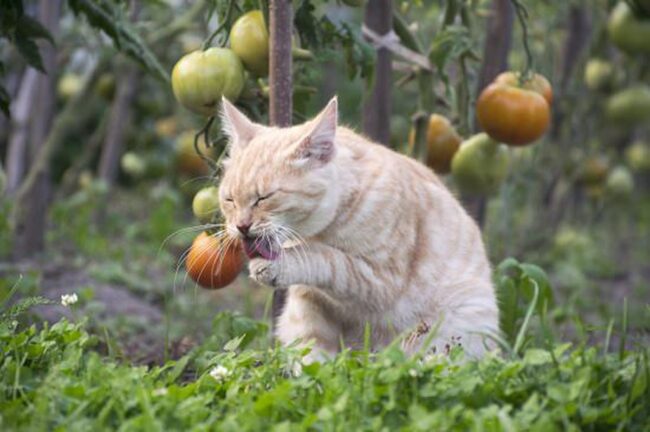
Tomatoes pose potential health risks for cats despite their appealing appearance.
Feline digestive systems cannot efficiently process tomato components, particularly green parts like stems and leaves containing toxic solanine compounds.
Ripe tomato flesh contains minimal nutritional benefits for cats and may cause digestive complications.
Cats lack specific enzymes needed to break down tomato carbohydrates effectively, which limits their ability to gain nutrients from this fruit.
Small accidental nibbles rarely cause serious harm, but veterinarians recommend avoiding tomato consumption altogether.
Toxic elements concentrated in tomato plant sections can trigger stomach upset, weakness, and potential gastrointestinal distress in cats.
Pet owners should maintain strict separation between tomatoes and cat food to prevent accidental ingestion.
Medical professionals consistently advise monitoring cats closely if unexpected tomato exposure occurs.
Tomato Plant Dangers Revealed
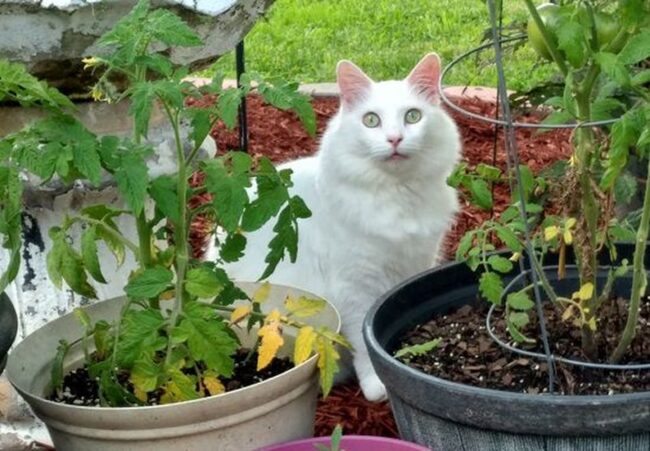
Tomatoes present a complex challenge for cats' dietary safety.
Ripe tomatoes contain minimal risks for feline consumption in small quantities.
Unripe tomatoes and tomato plant components harbor solanine, a dangerous toxic substance that triggers significant health problems.
Cats consuming plant stems, leaves, or green tomatoes may experience severe symptoms like appetite loss, excessive drooling, and stomach distress.
Potential dangerous reactions include lethargy, confusion, and slower heart rhythms.
Veterinary professionals recommend avoiding all tomato plant parts to protect cat health.
Small amounts of red, fully ripened tomatoes might be acceptable but should not become a regular diet element.
Medical consultation remains crucial before introducing any human food into a cat's nutritional plan.
Tomato Risks for Cats
Tomatoes are potentially toxic treats for cats with serious health risks lurking beneath their red, juicy appearance.
Feline digestive systems cannot safely process tomato components like tomatine and solanine, which trigger dangerous allergic reactions.
Green tomato parts including stems and leaves contain higher concentrations of these harmful compounds that could severely damage cat health.
Cats might experience dangerous symptoms such as vomiting, diarrhea, stomach pain, and nervous system disruptions after consuming tomato pieces.
Veterinarians strongly recommend removing all tomato-related foods from cat environments to prevent accidental ingestion.
Medical professionals warn pet owners about watching for specific warning signs like tremors, irritability, and gastrointestinal distress following potential tomato exposure.
Responsible cat guardians should immediately contact animal health experts if unexpected symptoms emerge after potential tomato consumption.
Safe alternative snacks provide better nutrition without risking feline wellness.
Are Tomatoes a Safe Snack for Cats?
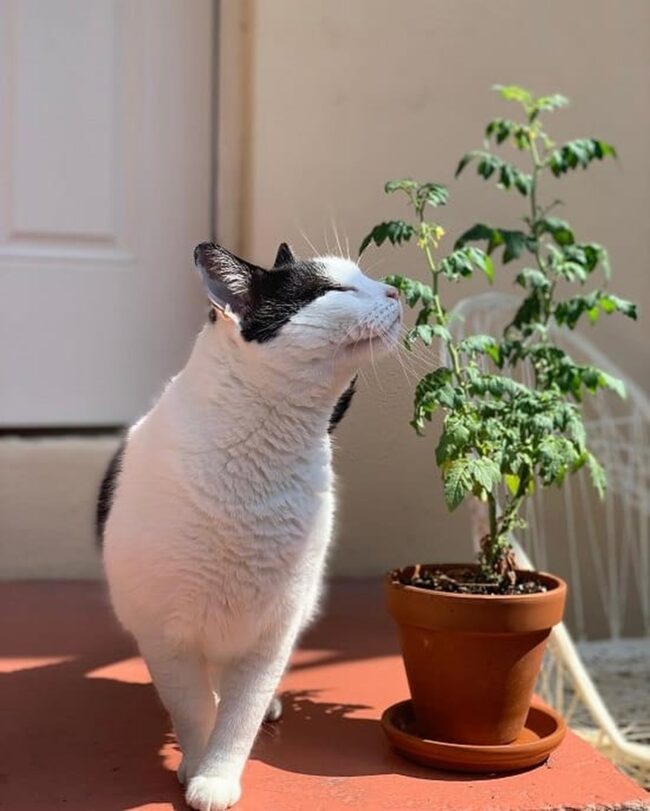
Tomatoes spark confusion for cat owners concerned about pet safety.
Ripe, cooked tomatoes contain minimal risks for felines when served in small quantities.
Veterinary experts like Dr.
Ihoe Basko confirm mature tomatoes do not harm cats when prepared carefully.
Green tomato parts including stems and leaves contain toxic solanine compounds dangerous for pets.
Cats should never consume unripe tomatoes or tomato plant components which could trigger digestive problems.
Low amounts of cooked, red tomatoes might provide some nutritional benefits for cats in occasional servings.
Pet owners should always consult veterinarians before introducing new foods into their cat's diet.
Careful monitoring helps ensure safe consumption and prevents potential health complications.
Is It Okay to Give Cats Tomato Sauce?
Tomato sauce can be a delicate topic for feline nutrition.
Cats technically tolerate small amounts of plain tomato sauce when specific precautions are followed.
Sardines dipped in a safe tomato sauce provide occasional protein-rich entertainment for your pet.
Careful cat owners must check ingredient labels to avoid harmful additives like onions or garlic.
Harmful spices pose serious health risks for sensitive feline digestive systems.
Moderate portions control potential digestive complications that might arise from unfamiliar foods.
Veterinarians recommend monitoring your cat's reaction during initial tastings.
Pet safety demands vigilant observation when introducing any new food to your furry companion.