
23 Amazing High Protein Vegetables to Boost Your Health Today
Vegetables packed with protein are nutritional powerhouses that can transform your dietary approach and support overall wellness.
Plant-based protein sources have gained significant attention among health-conscious individuals seeking balanced nutrition without relying solely on animal products.
Green leafy vegetables, legumes, and certain other plant varieties contain remarkable protein concentrations that surprise many nutrition enthusiasts.
Protein-rich vegetables contribute essential amino acids, minerals, and vitamins that support muscle development, metabolic functions, and cellular health.
These nutrient-dense food options provide an excellent alternative for vegetarians, vegans, and anyone interested in diversifying their protein intake through natural sources.
Consuming a variety of protein-loaded vegetables can help individuals maintain energy levels, support muscle recovery, and enhance overall dietary quality.
Plant proteins represent a sustainable and incredibly beneficial approach to meeting nutritional requirements while enjoying delicious and versatile food options.
Fava Beans
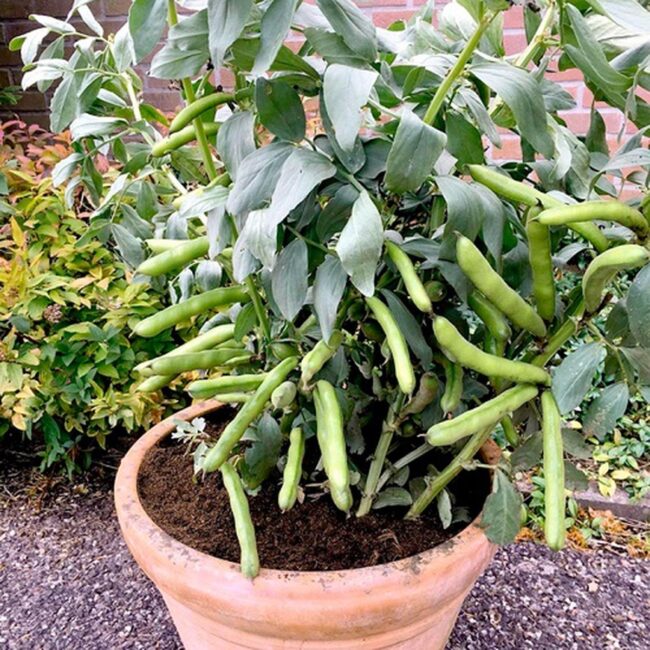
Fava beans represent a protein powerhouse loaded with essential nutrients for gardeners seeking healthy crop options.
One cup provides 8 grams of protein, supporting muscle health and dietary goals.
These robust legumes grow easily in sunny garden spaces with minimal maintenance requirements.
Packed with fiber, iron, and B vitamins, fava beans strengthen immune systems and promote bone health.
Home gardeners can plant these versatile beans without complex techniques or specialized skills.
Cool season crops like fava beans mature quickly and produce abundant harvests.
Mediterranean regions have cultivated these nutritious beans for generations, making them a reliable garden staple.
Green Peas
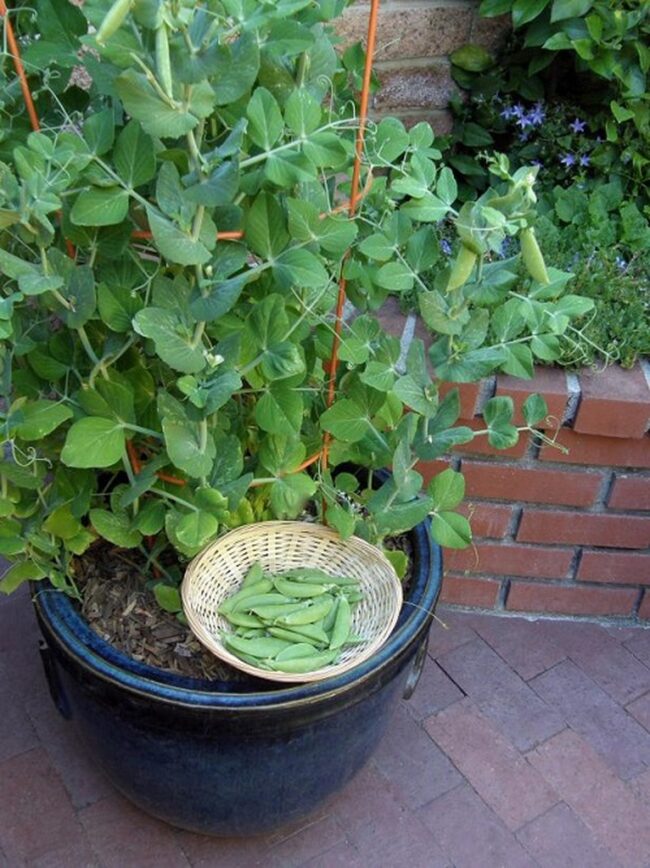
Green peas pack powerful protein punches with impressive nutritional benefits.
Small garden-friendly legumes grow easily in cool climates and produce sweet, tender pods.
Compact plants yield abundant harvests within weeks of planting.
Protein content reaches about 8 grams per cooked cup, making them an excellent vegetable for health-conscious individuals.
Home gardens welcome these versatile vegetables that flourish in well-draining soil and moderate temperatures.
Supplementing meals with green peas adds nutritional value and delightful flavor to diverse recipes.
Nutritionists recommend incorporating these nutrient-dense vegetables into balanced diets for optimal wellness.
Cluster Beans
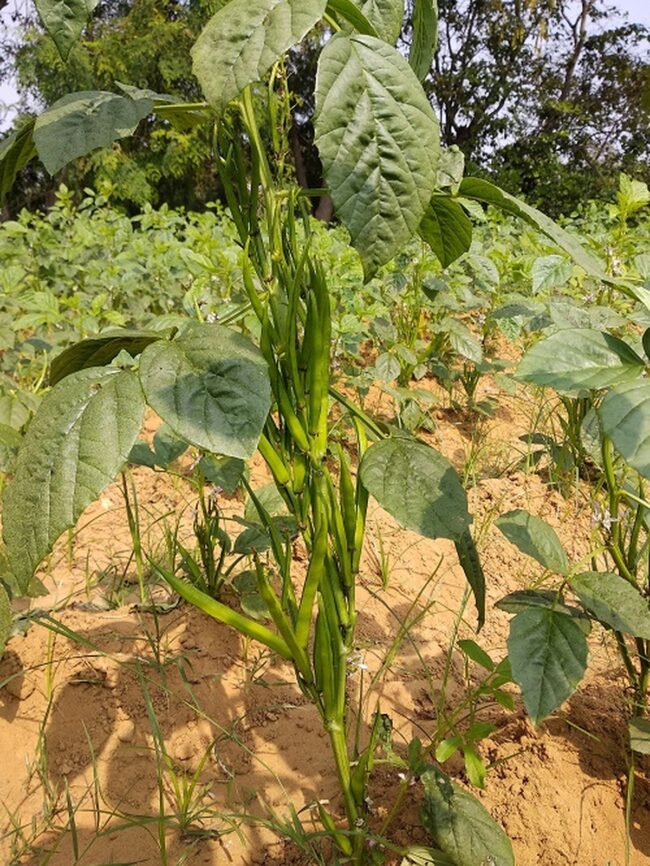
Cluster beans pack powerful protein punches in compact green pods.
Green clusters grow easily in sunny garden patches with good drainage.
Each 100-gram serving delivers approximately 4 grams of lean protein without extra calories.
Diabetic and weight-conscious individuals appreciate their high fiber content.
Low-maintenance plants thrive in warm environments with consistent moisture.
Home gardens benefit from these versatile vegetables that contribute significant nutritional value.
Farmers and home growers can enjoy multiple harvests throughout the growing season.
Potatoes
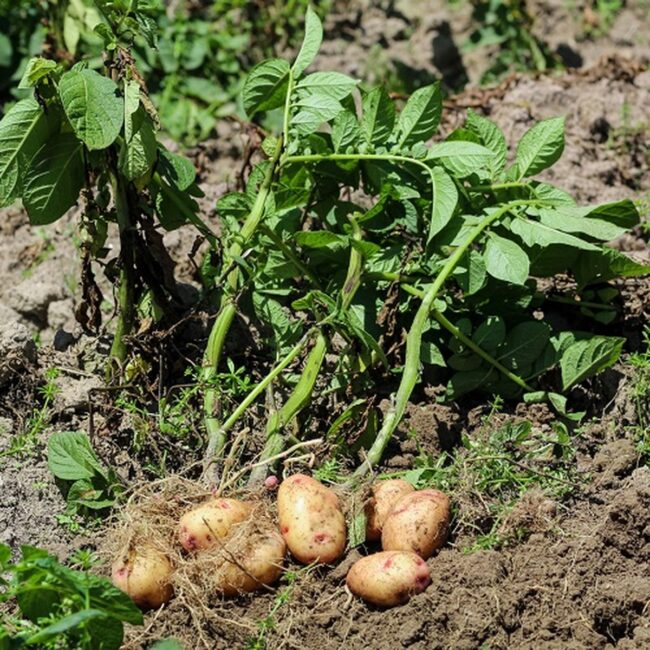
Potatoes are nutrient powerhouses hiding underground, delivering unexpected protein alongside essential vitamins and fiber for health-conscious gardeners.
Farmers and home growers cherish these humble tubers for their incredible versatility in cooking and nutrition.
Crispy fries, creamy mashed sides, and roasted wedges showcase potatoes' delicious potential beyond basic starches.
Packed with approximately 3 grams of protein per 100 grams, these earthy vegetables provide substantial nutritional value for vegetarians and meat-eaters alike.
Their adaptability in recipes means you can enjoy protein-rich meals without complicated preparation techniques.
Collard Greens
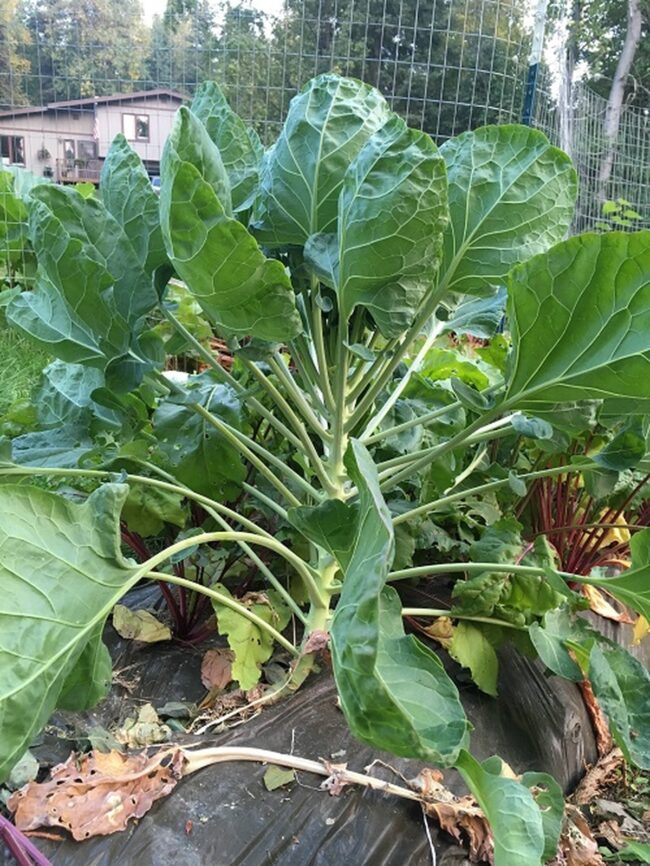
Collard greens are nutrient powerhouses that boost health and flavor in one delicious package.
Dark green leaves deliver impressive protein content at 3 grams per 100 grams.
Southern gardeners love how easily these hearty vegetables grow in sunny patches with well-draining soil.
Robust stems provide texture and nutrition for diverse recipes like salads and stir-fries.
Cholesterol-fighting properties make them a smart choice for health-conscious cooks.
Planting collard greens requires minimal effort and rewards you with abundant harvests.
Nutritional benefits combined with simple cultivation make collard greens a top pick for home vegetable gardens.
Cowpeas/Black-Eyed Peas
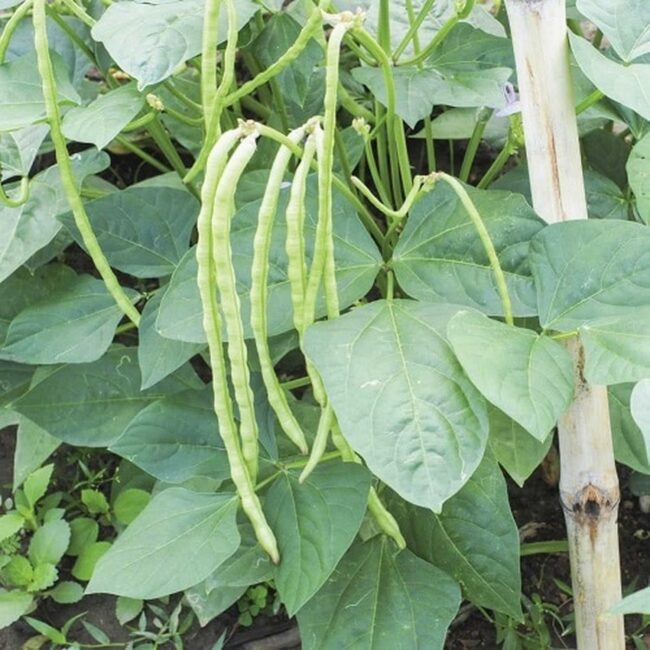
Black-eyed peas pack powerful protein punches with 24 grams per 100 grams of pure nutritional goodness.
Southern gardeners treasure these versatile legumes for their easy growing requirements and robust flavor profiles.
Cowpeas flourish effortlessly in sandy soils under warm sunshine conditions.
African agricultural traditions have long celebrated these nutrient-dense beans as staple crops.
Folate and copper minerals complement their impressive protein content, making them exceptional garden additions.
Home vegetable patches benefit from their drought-resistant characteristics and rapid growth cycles.
Edamame
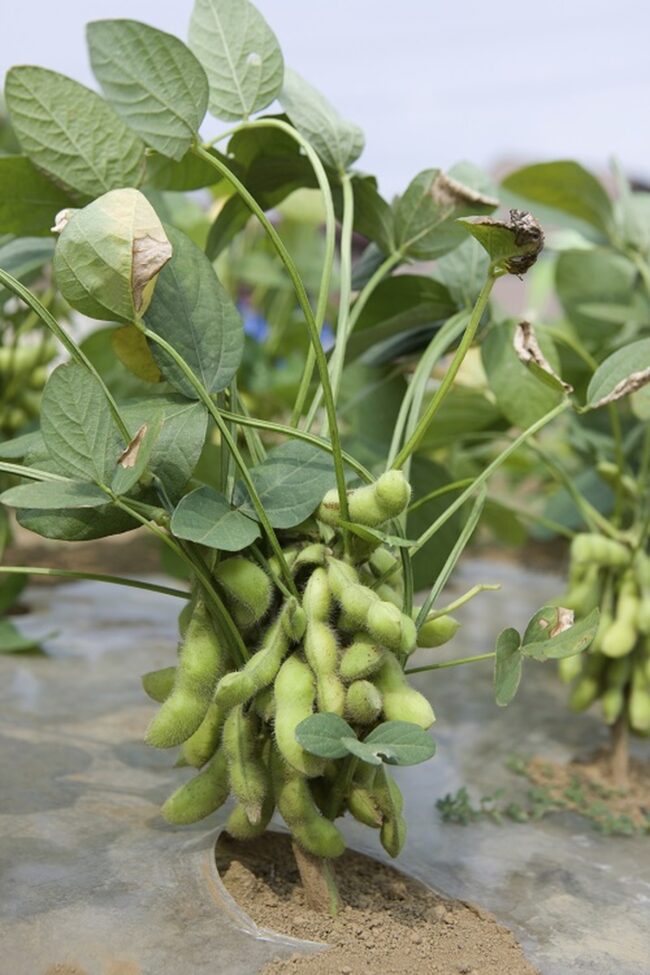
Edamame are green soybeans loaded with powerful nutritional benefits that make them a top protein source for health-conscious eaters.
Garden lovers can easily grow these delicious beans in nutrient-rich soil with full sun exposure.
Farmers love edamame for their high-protein profile, providing 20 grams per 100 grams of beans.
Planting these versatile legumes requires minimal gardening skills and rewards you with a bumper crop of green pods.
Cooking methods range from simple steaming to adding them fresh in salads and stir-fries.
Home cooks treasure these beans for their nutty flavor and impressive health credentials.
Lima Beans
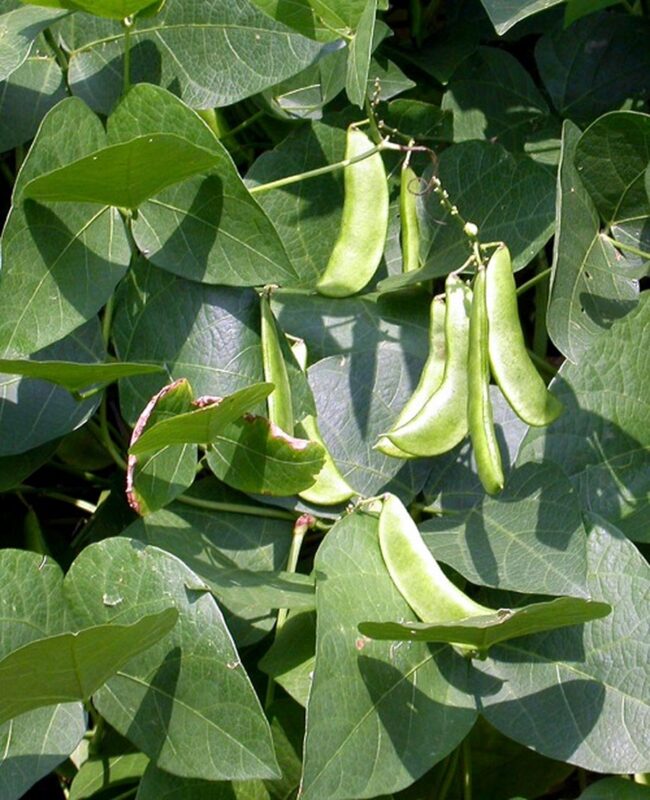
Lima beans burst with impressive protein power, delivering a hearty 21 grams per 100 grams while supporting heart health through cholesterol reduction.
Warm soil and well-draining containers encourage robust lima bean growth, making them a smart choice for home gardeners.
Plump and satisfying, these beans transform simple salads and stews into nutritious meals packed with plant-based protein.
Lima beans provide essential nutrients and a rich, comforting texture that makes them a kitchen staple.
Their impressive protein content sets them apart from many other vegetable options.
Versatile and nutritious, lima beans deserve a prominent spot in health-conscious gardens and kitchens.
Kale
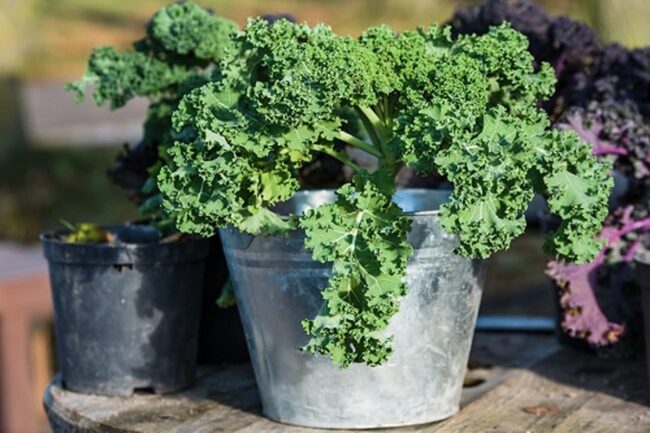
Kale is a nutritional superhero packed with muscle-building power and immune-boosting nutrients.
Green leafy kale delivers 5 grams of protein per 100 grams, making it a top choice for health-conscious gardeners.
Cool temperatures help kale develop sweeter, more tender leaves that taste amazing in salads and smoothies.
Simple garden care prevents pest problems and ensures a robust harvest.
Nutrient-dense kale supports overall wellness while adding gorgeous green texture to garden beds.
Cold-hardy plants survive multiple seasons, providing continuous harvests.
Home gardeners appreciate kale's low-maintenance nature and incredible health benefits.
Kidney Beans
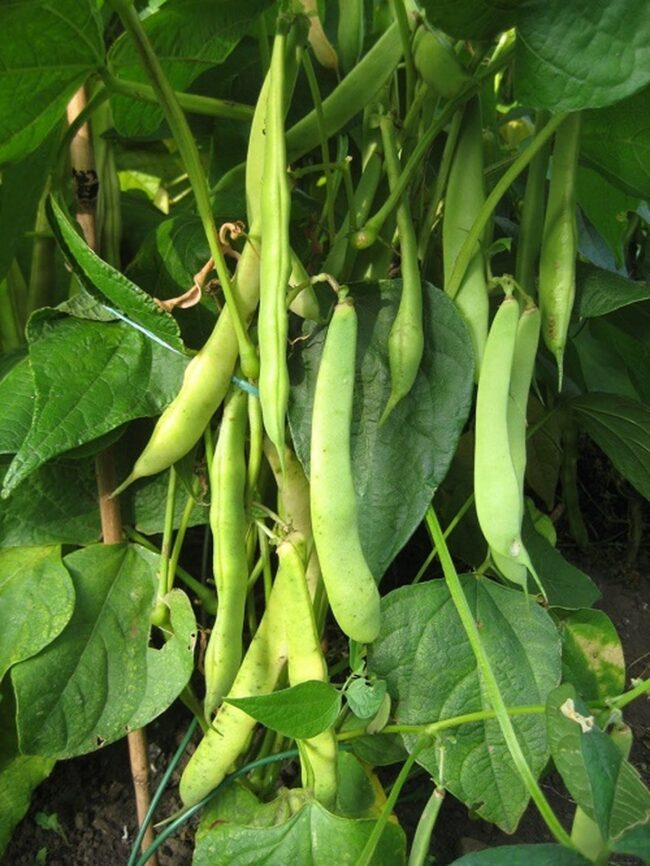
Kidney beans pack a protein-rich punch with 24 grams per 100 grams.
Warm sunlight and well-draining soil help these plants thrive without much fuss.
Mexican and Indian cuisines frequently feature kidney beans in hearty, flavorful dishes.
Home gardeners can successfully grow these versatile legumes with simple planting techniques.
Their deep red color adds visual appeal to garden beds and dinner plates.
Nutritionally dense beans contribute significant protein to vegetarian and meat-based meals.
Rich in fiber and minerals, kidney beans support healthy eating goals while providing satisfying texture and taste.
Brussels Sprouts
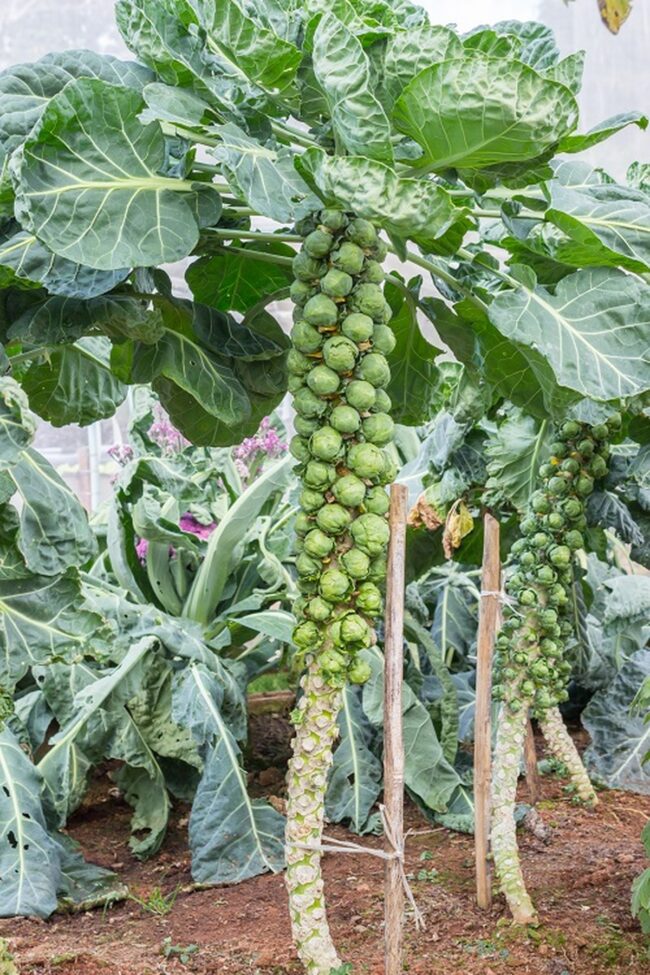
Brussels sprouts are miniature nutritional powerhouses packed with protein and essential nutrients.
Small green cabbage-like vegetables deliver incredible health benefits for gardeners and home cooks.
Cool weather helps these compact plants grow successfully in home gardens with consistent moisture and good soil conditions.
Roasting brussels sprouts caramelizes their edges and brings out a rich, nutty flavor that transforms ordinary meals.
Home gardeners appreciate how easily these vegetables flourish in raised beds or traditional garden plots.
Protein levels in brussels sprouts rival many other vegetable options, making them an excellent dietary addition.
Harvesting these small round vegetables gives gardeners a sense of satisfaction and connection to their food source.
Simple cooking methods like sautéing or roasting enhance their natural sweetness and make them irresistible on any dinner plate.
Corn
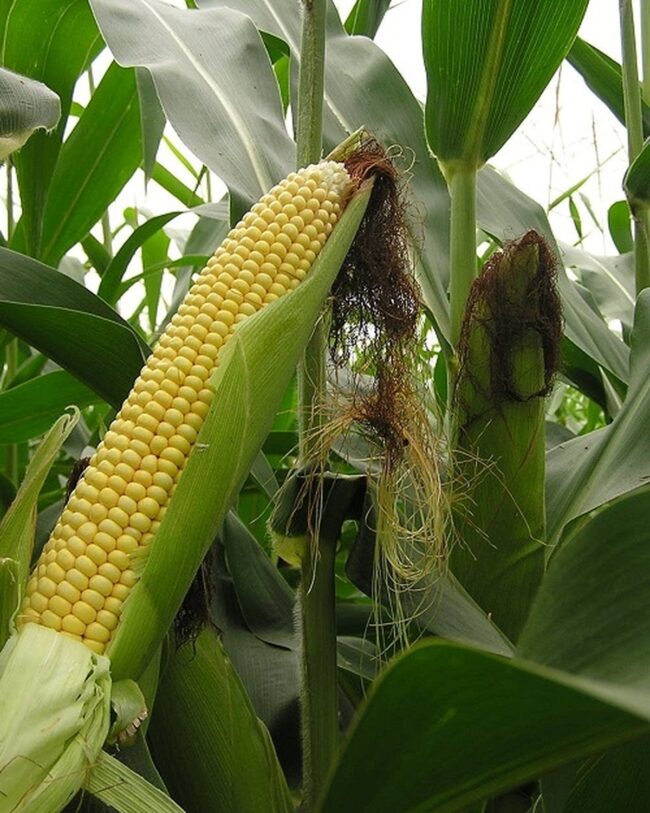
Corn provides powerful protein levels that surprise health-conscious eaters with 4 g per 100 g serving.
Kernels burst with fiber and essential vitamins that support balanced diets.
Home gardens thrive when corn plants receive full sunlight and well-drained soil conditions.
Grilling transforms these kernels into smoky treats perfect for summer meals.
Salads gain extra texture and nutrition when fresh corn joins the mix.
Salsas become more dynamic with chopped corn adding unexpected depth.
Farmers and home gardeners value corn as a versatile crop that delivers both taste and nutrition.
Broccoli
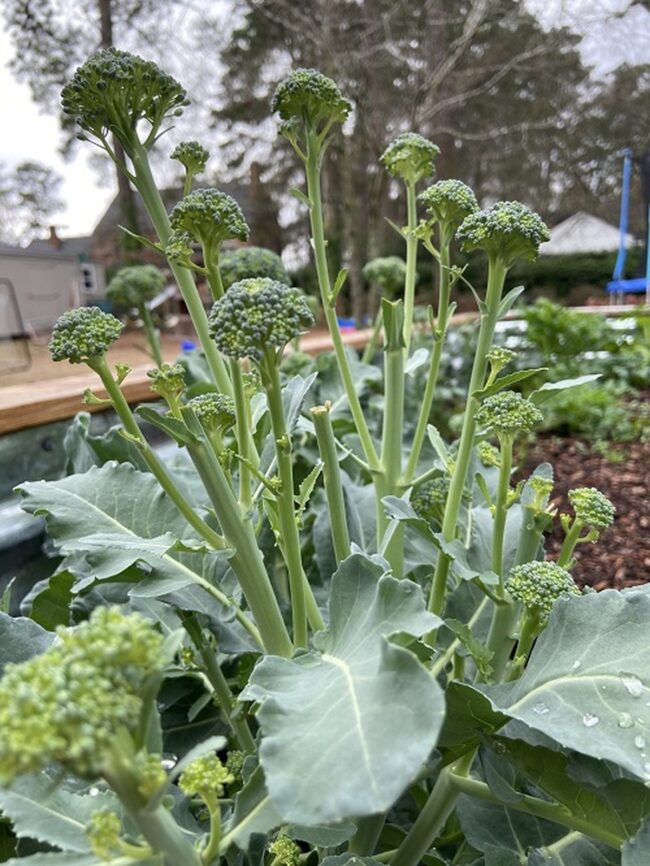
Broccoli are nutritional powerhouses packed with protein, iron, and essential vitamins that supercharge health.
Green florets bring incredible crunch and dense nutrients to garden plates.
Vegetable lovers can plant broccoli in well-drained soil for maximum harvest potential.
Cool temperatures help these green clusters develop robust flavor and texture.
Homegrown plants provide fresh, crisp heads loaded with more nutrients than store-bought options.
Protein-rich vegetables rarely taste as delicious and satisfying as these green gems right from backyard gardens.
Artichoke
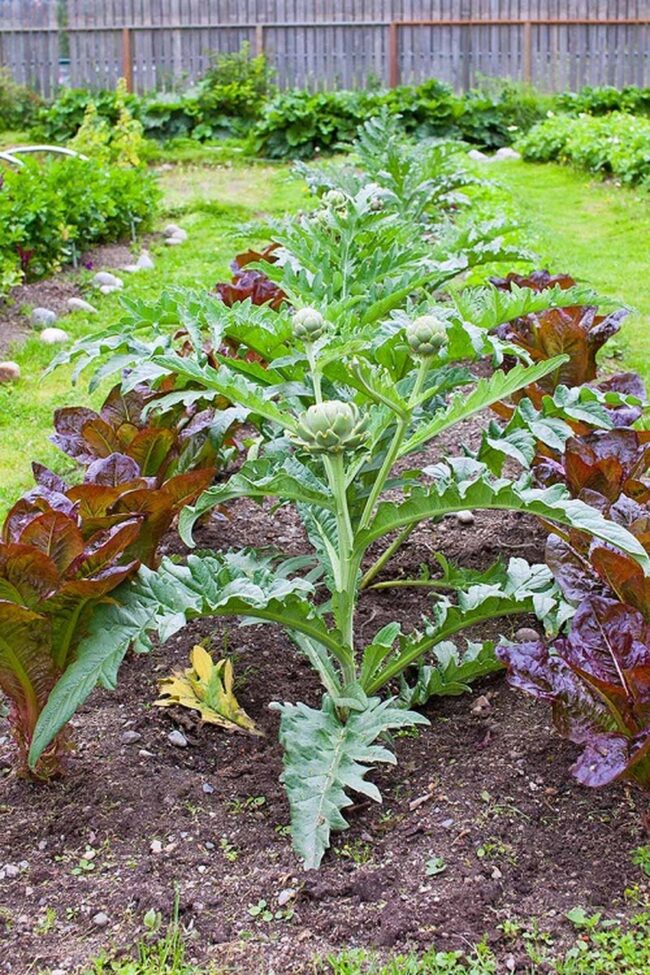
Artichokes are mediterranean treasures hiding unexpected protein potential in their delicate, layered green buds.
Green leafy giants deliver a surprising 4 grams of protein per 100 grams, making them secret nutritional powerhouses for health-conscious gardeners.
Mediterranean cuisine lovers appreciate their rich, slightly nutty flavor that elevates salads, pastas, and appetizer platters.
These nutrient-dense vegetables support liver health while providing impressive fiber and antioxidant benefits.
Home gardens benefit from artichoke plants that return year after year, producing edible treasures with minimal maintenance.
Nutritional profiles make artichokes an impressive addition to protein-conscious meal planning.
Moringa
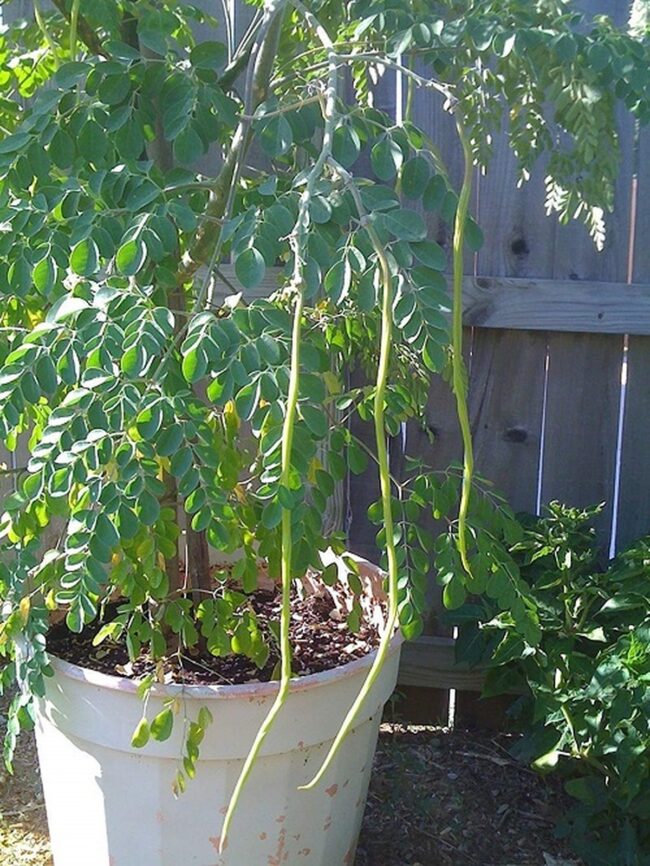
Moringa leaves burst with incredible nutritional power for health-conscious eaters seeking plant-based protein sources.
Green and packed with 8 grams of protein per 100 grams, these leaves deliver essential nutrients that support muscle growth and overall wellness.
Calcium and iron complement its protein content, making moringa a superstar in the vegetable world.
Home cultivation provides direct access to a nutrient-dense superfood that supports strong bones and healthy blood circulation.
Anyone committed to clean eating will appreciate moringa's compact nutritional profile and simple growing requirements.
Harvesting these leaves connects you directly to a natural, protein-rich food source bursting with health benefits.
Fenugreek
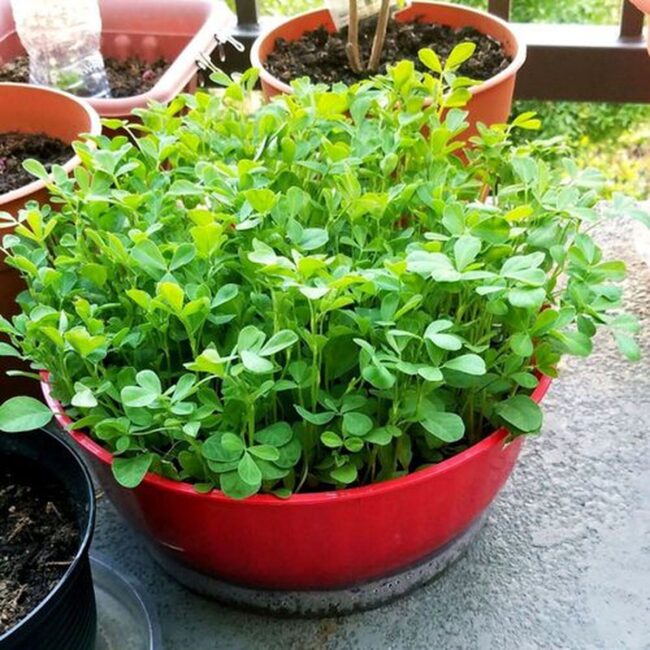
Fenugreek seeds are a nutritional treasure packed with surprising protein potential for health-conscious gardeners.
Green fenugreek leaves deliver an impressive 5 grams of protein per 100 grams, making them a smart addition to any garden plot.
Growing fenugreek requires minimal effort and rewards you with leaves rich in vitamins A and B, plus essential iron.
Home gardens benefit from this versatile herb that supports weight management and boosts overall wellness.
Seeds and leaves provide multiple health advantages for health-focused individuals.
Winter and spring seasons work best for planting this protein-rich green companion.
Button Mushroom
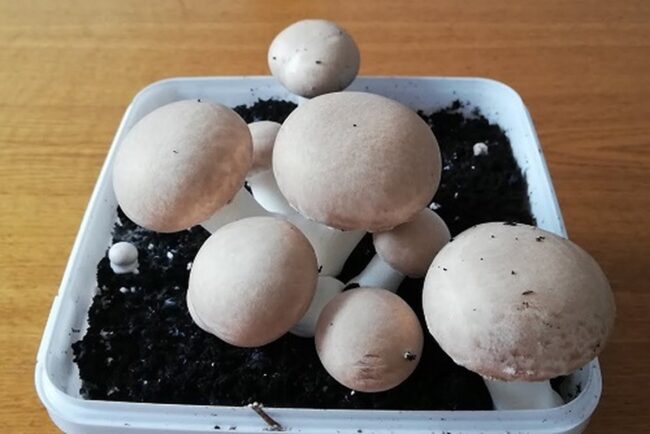
Button mushrooms power up meals with exceptional protein density and incredible versatility.
Small white fungi pack a serious nutritional punch delivering 4 grams of protein per 100 grams.
Home cultivation becomes simple using coffee grounds as a nutrient-rich substrate.
Their mild flavor complements countless recipes from stir-fries to salads.
Rich in vitamin D and potassium, these compact mushrooms support overall health effortlessly.
Mushroom lovers find endless culinary possibilities with these compact protein champions.
Pinto Beans
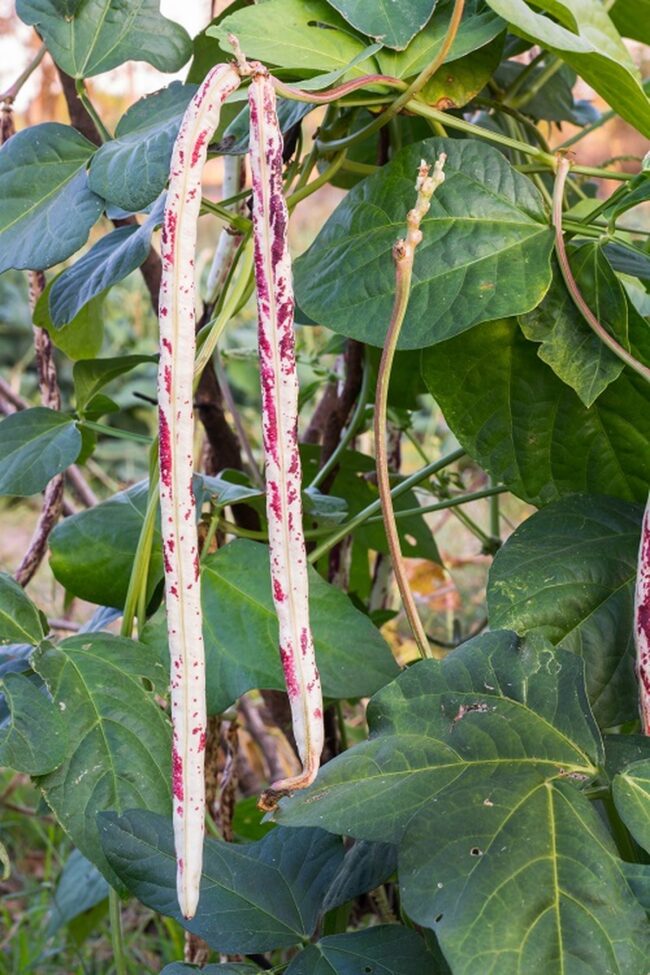
Pinto beans are protein powerhouses packed with incredible nutritional benefits for health-conscious gardeners and cooks.
These speckled legumes deliver an impressive 21 grams of protein per 100 grams, supporting heart wellness and helping manage diabetes.
Mexican and Brazilian cuisines frequently feature pinto beans in traditional recipes.
Home gardeners appreciate their robust flavor and straightforward cultivation process.
Fiber-rich beans keep people feeling satisfied longer after meals.
Proper care includes maintaining dry foliage to prevent potential plant diseases.
Cooking methods range from hearty stews to fresh salads, making pinto beans an adaptable kitchen staple.
Chickpeas
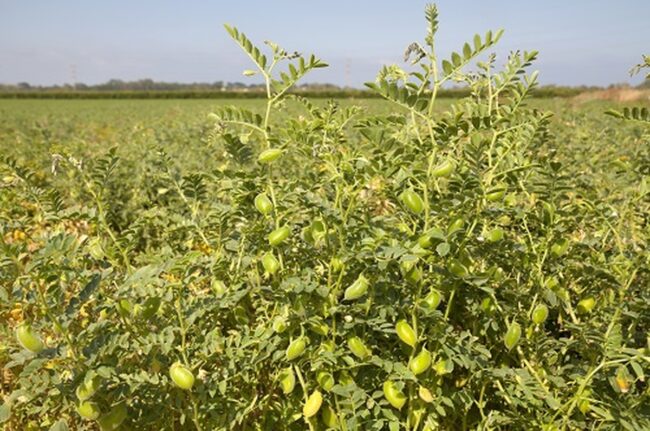
Chickpeas are protein powerhouses that energize your diet with their hearty texture and rich nutritional profile.
Small legume seeds pack serious muscle-building potential with nearly 19 grams of protein per 100 grams.
Mediterranean gardens love these versatile plants that thrive in sunny spots with well-drained soil.
Cooking options range from creamy hummus to crispy roasted snacks that add excitement to any meal.
Nutritionists recommend incorporating these nutty legumes into regular meal plans for metabolic benefits.
Home growers can easily cultivate chickpeas with basic gardening skills and consistent care.
Healthy eaters celebrate chickpeas as a delicious plant-based protein source that supports overall wellness.
Mustard Green
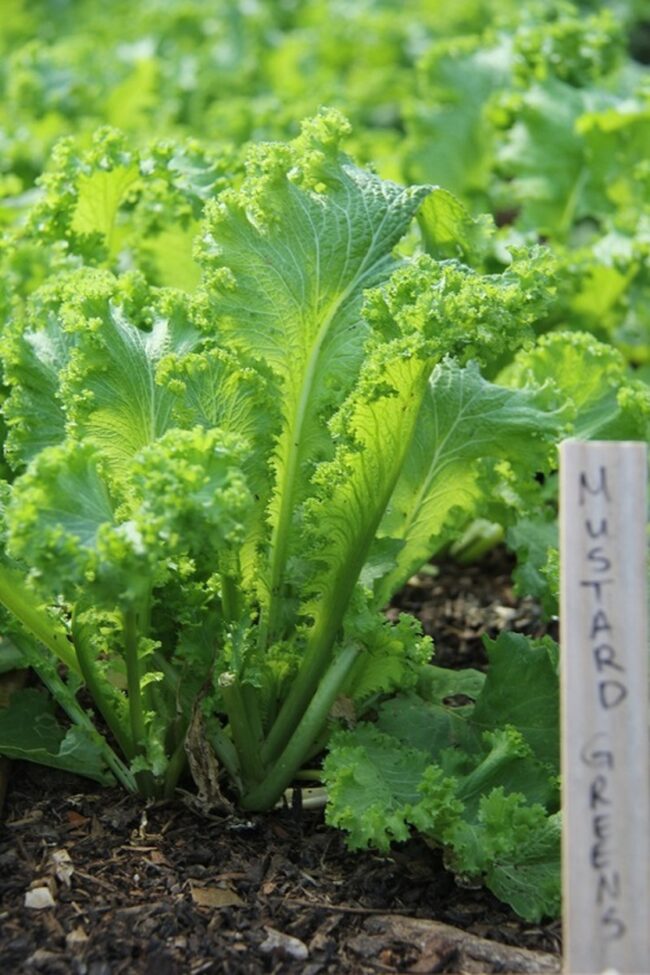
Mustard greens are zesty powerhouses packed with protein and bold flavors that dance across your palate.
Green leaves from Indian and Southeast Asian regions bring a spicy punch to salads and stir-fries.
Nutritional champions contain 3 grams of protein per 100 grams, making them excellent for health-conscious gardeners.
Peppery notes complement many dishes while providing essential vitamins A and K.
Simple preparation methods unlock their robust taste and nutritional benefits.
Versatile and hardy, these greens grow quickly and reward you with intense flavor.
Asparagus
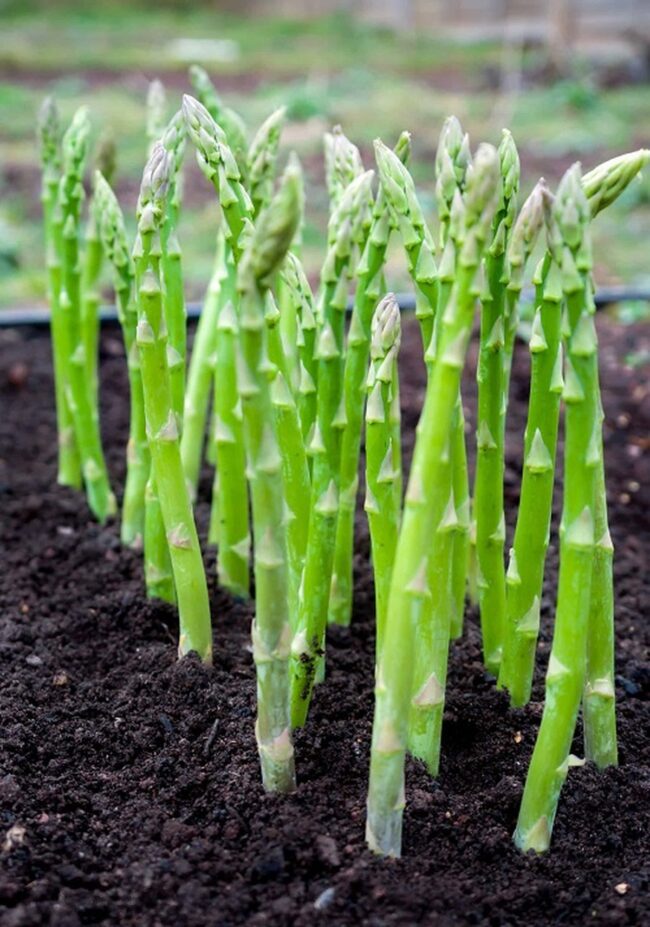
Asparagus provides exceptional protein benefits with 3 grams per 100 grams, making this green vegetable a nutritional powerhouse for health-conscious gardeners.
Packed with essential vitamins A, C, E, and K, asparagus supports overall wellness and digestive health.
Home gardeners can easily cultivate these slender spears in well-drained soil with full sun exposure.
Careful monitoring prevents beetle infestations that might damage delicate plants.
Harvesting asparagus requires patience, as established beds take several years to produce abundant crops.
Grilled, roasted, or steamed, these versatile vegetables complement many dishes with their distinctive flavor.
Sustainable gardening practices ensure a consistent supply of this nutritious vegetable for your kitchen.
Avocado
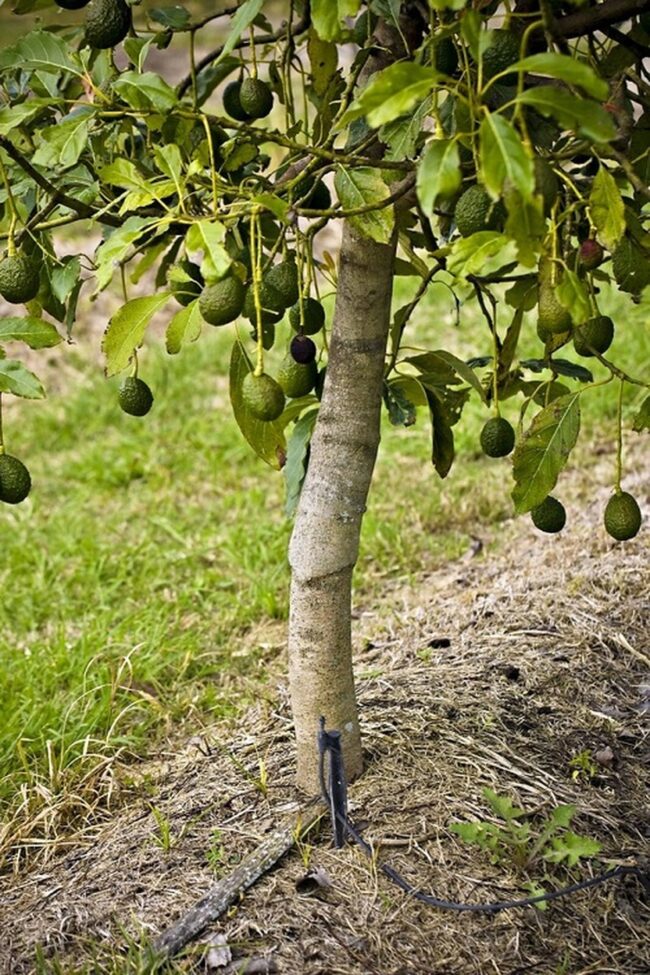
Avocados are protein powerhouses hiding in plain sight for health-conscious eaters.
Green and buttery, these stone fruits deliver serious nutritional benefits beyond their smooth texture.
Packed with 3 grams of protein per 100 grams, avocados elevate meals from ordinary to extraordinary.
Salads, smoothies, and sandwiches become more satisfying with their rich, creamy presence.
Healthy fats complement the protein content, making avocados a smart choice for balanced nutrition.
Chefs and home cooks love their versatility in both savory and sweet recipes.
Blending seamlessly into multiple dishes, avocados support wellness goals deliciously.
Nutrient-dense and flavor-packed, these fruits transform simple eating into a nourishing experience.
Spinach
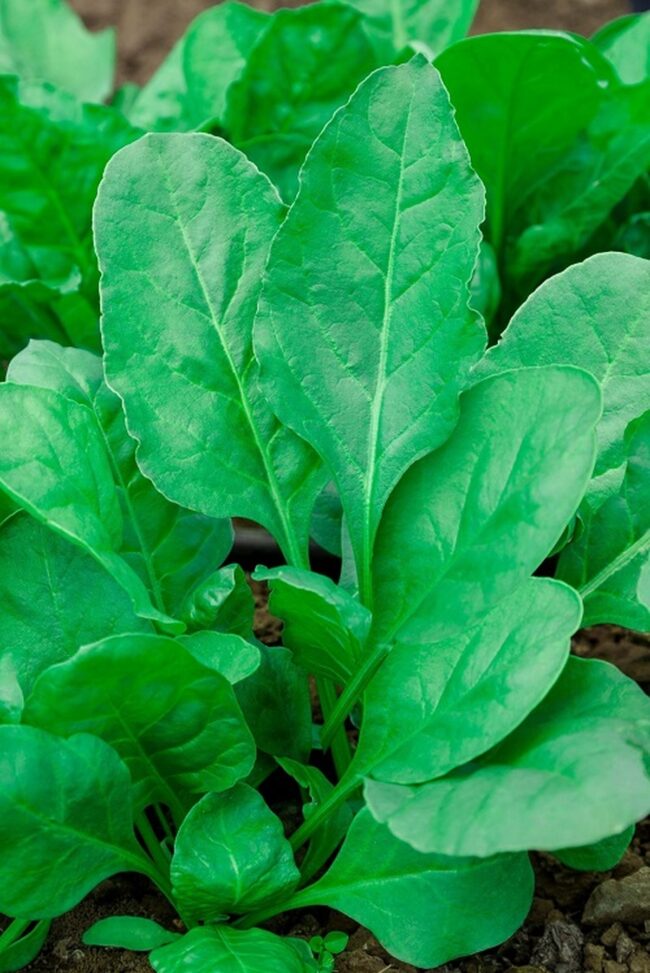
Spinach provides incredible health benefits packed with essential nutrients in a low-calorie green package.
Dense with protein, minerals, and vitamins, this versatile vegetable supports muscle development and overall wellness.
Leafy and tender, spinach works perfectly in salads, smoothies, and cooked dishes.
Nutritionists recommend consuming raw or lightly steamed spinach to preserve maximum nutritional value.
High in iron and magnesium, spinach helps strengthen immune systems and supports cellular health.
Plant lovers can harvest fresh spinach within weeks of sowing seeds, making it an ideal crop for home gardens.