
Why Ferns Turning Brown and Dying? How To Save Them?
Fern health can quickly deteriorate when environmental conditions become unfavorable for these delicate, lush green plants.
Gardeners and plant enthusiasts often encounter the challenging situation of watching their beloved ferns gradually turn brown and lose their vibrant appearance.
The transformation from a thriving, verdant plant to a withering, crisp specimen can be distressing and frustrating for anyone who cherishes their indoor or outdoor greenery.
Numerous factors contribute to the decline of these elegant, prehistoric plants that have graced our planet for millions of years.
Understanding the root causes of fern deterioration is crucial for plant lovers who want to maintain the beauty and vitality of their botanical companions.
Ferns are sensitive organisms that require specific care and attention to prevent their premature demise and maintain their lush, intricate foliage.
Recognizing the early signs of plant stress can make a significant difference in rescuing and reviving these magnificent green treasures.
Low Humidity
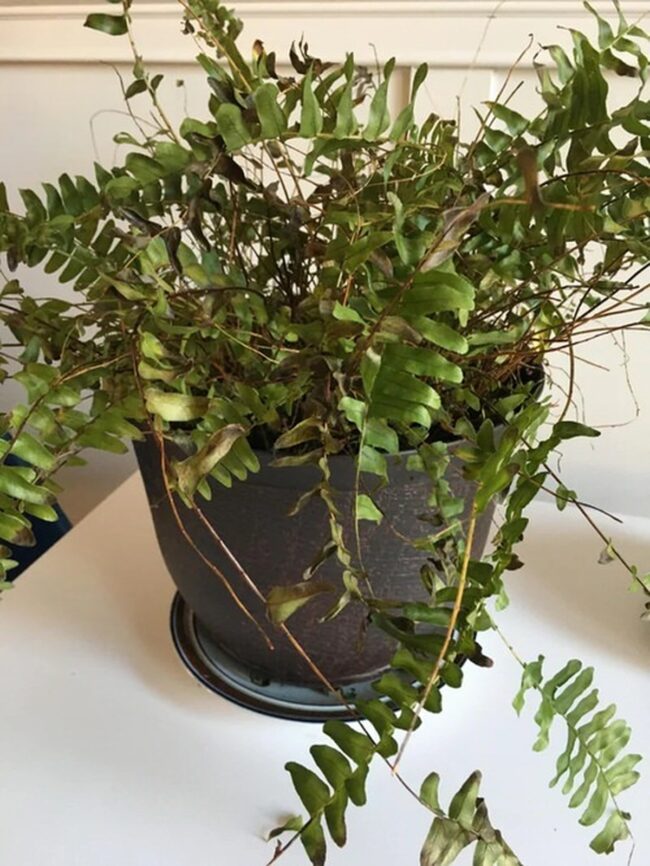
Fern health demands strategic moisture management to prevent browning and decline.
Low humidity turns delicate fern fronds crisp and sad, signaling urgent plant care needs.
Tropical ferns crave consistent dampness similar to their native forest floors.
Misting leaves daily provides quick relief for struggling plants.
Strategic placement near bathroom windows or using small humidifiers restores natural moisture levels.
Strategic air circulation from gentle fans prevents stagnant conditions that stress indoor ferns.
Keeping soil consistently moist without waterlogging supports root health and vibrant green growth.
Regular care transforms struggling ferns into lush, thriving indoor greenery.
Fern Rescue: Shade Solutions
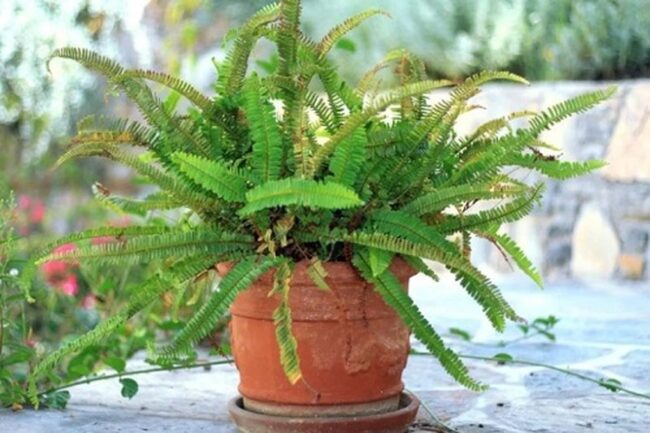
Fern sunburn solution guides gardeners through rescuing browning ferns from harsh light damage.
Brown edges signal plant stress from intense sun exposure.
Relocating ferns to shaded areas protects delicate fronds from scorching rays.
Monitoring soil moisture prevents further damage and supports recovery.
Check soil dampness by touching the top layer, ensuring it remains slightly moist but not waterlogged.
Gentle indirect light provides the perfect growing conditions for these sensitive plants.
Strategic placement near windows with filtered sunlight helps ferns regain their vibrant green color.
Careful attention and minor adjustments can transform struggling ferns back to healthy, lush specimens.
Small Containers
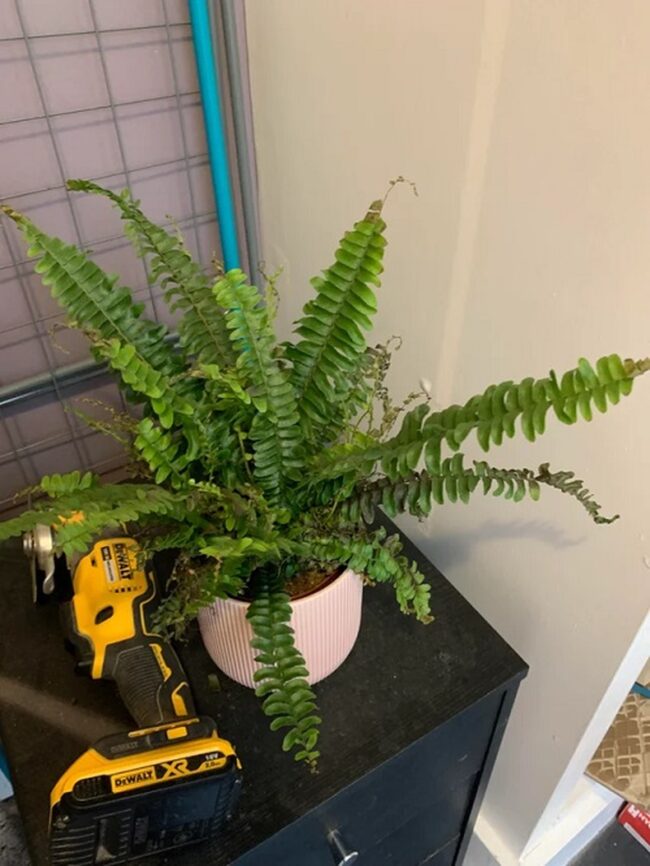
Small containers restrict fern growth and drain plant health through limited root space.
Root compression signals serious stress for delicate ferns struggling to absorb water and nutrients.
Checking root systems reveals compacted clusters blocking essential moisture absorption and healthy development.
Gently loosening tangled roots and trimming damaged sections helps restore plant vigor.
Moving ferns into slightly larger containers with fresh potting soil provides critical room for expansion.
Choosing pots with adequate drainage supports robust root growth and prevents waterlogging.
Positioning ferns in bright, indirect light ensures consistent recovery and renewed leaf strength.
Consistent moisture without saturating soil helps ferns regain their lush, green appearance.
Fall Fern Care Strategies
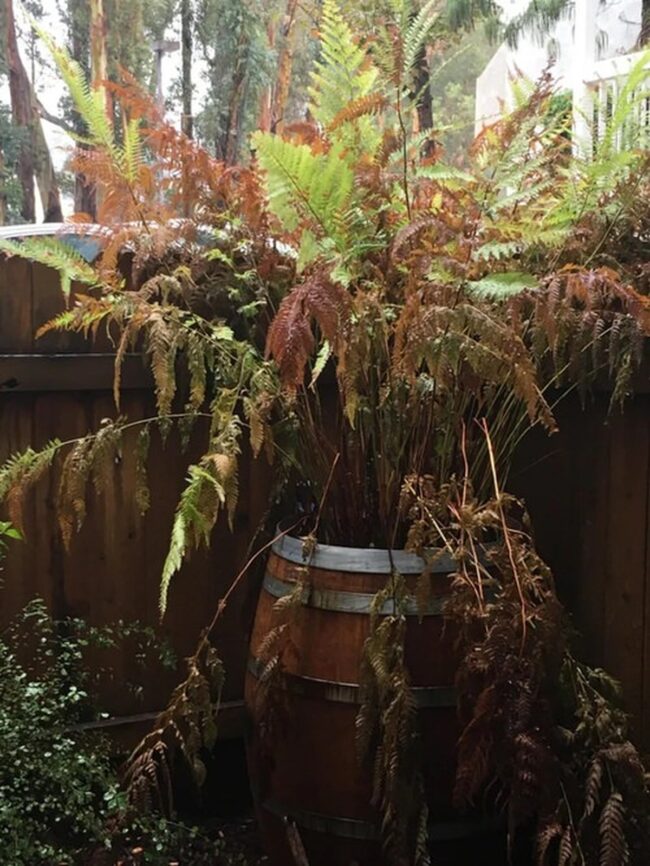
Outdoor ferns turning brown are delicate garden gems signaling seasonal changes through their color transformations.
Fall's cooling temperatures naturally trigger fern color shifts from vibrant green to warm brown tones.
Strategic placement matters when protecting these woodland plants from harsh environmental conditions.
Shaded areas provide crucial shelter from intense sunlight and chilling winds.
Careful moisture management prevents root stress during seasonal transitions.
Gentle pruning of brown fronds stimulates healthy new growth and maintains plant structure.
Gentle care helps these beautiful plants navigate seasonal challenges with resilience and grace.
Aging
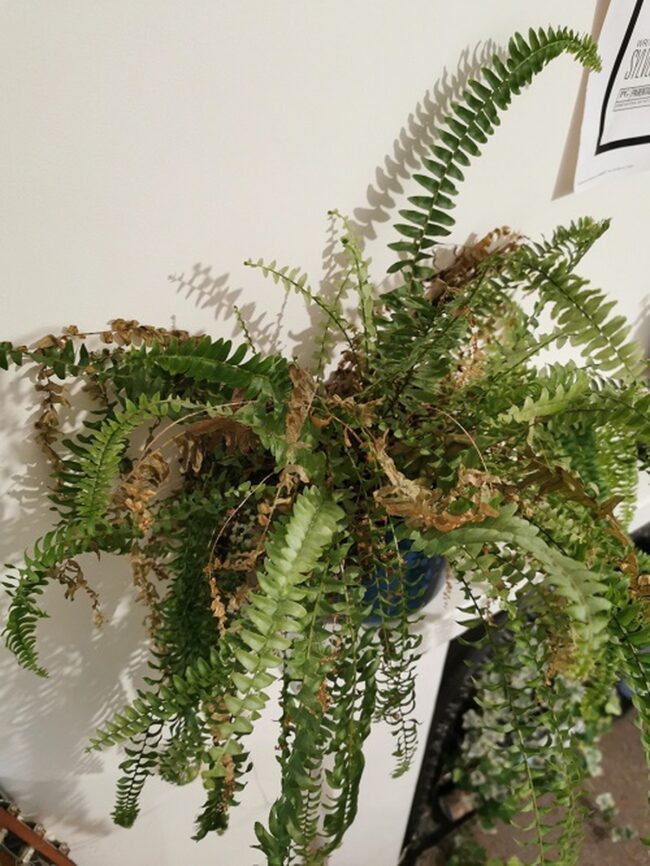
Aging ferns reveal natural lifecycle changes that signal plant maturity and potential renewal.
Brown fronds indicate the fern's progression through stages of growth and decline.
Moisture and temperature play crucial roles in maintaining plant health during this transition.
Careful monitoring helps gardeners support ferns through aging processes.
Older leaves naturally dry and drop, creating space for fresh, young fronds to emerge.
Consistent care prevents premature browning and supports continued plant vitality.
Healthy soil, indirect light, and balanced watering encourage ferns to regenerate.
Mature ferns can bounce back with gentle, attentive gardening techniques.
Root Rot
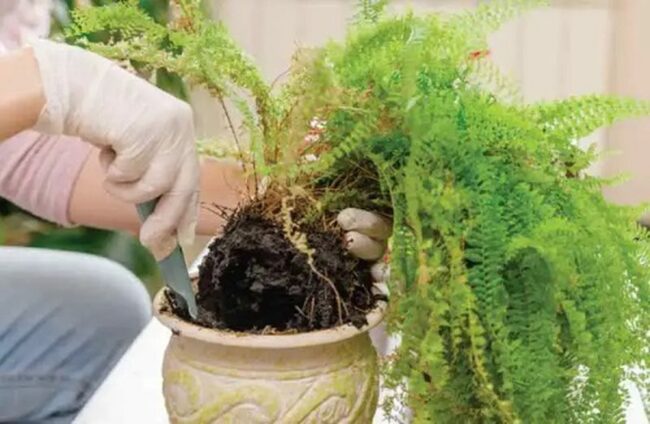
Root rot strikes ferns with stealth and precision, compromising their health through excessive moisture and inadequate drainage.
Dark, mushy roots signal the initial stages of plant distress, causing fronds to wither and turn brown.
Careful inspection reveals the extent of damage when you gently remove the fern from its container.
Examining the root system allows you to identify and trim decaying sections with clean, sharp scissors.
Healthy roots appear firm and white, while damaged roots look soft and brown or black.
Improving drainage becomes critical for fern recovery, so choose pots with sufficient holes and use well-draining soil mixtures.
Watering practices must change to prevent future rot: check topsoil moisture before adding water and ensure containers allow excess liquid to escape.
Consistent monitoring and quick intervention can rescue ferns from this silent killer, helping them regain strength and vibrant green foliage.
Over Fertilization
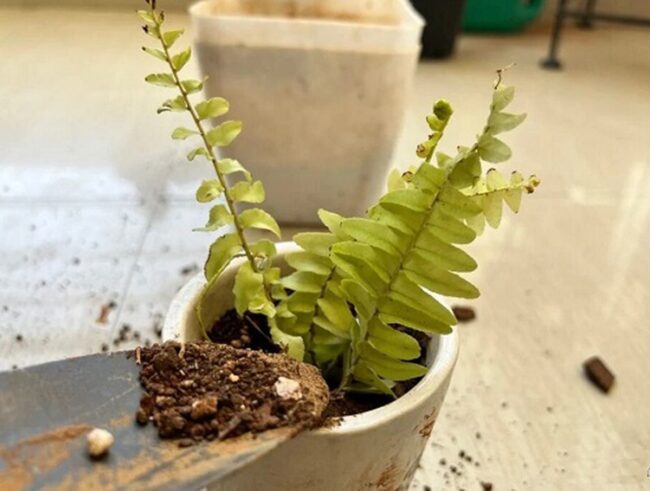
Over-fertilization damages ferns with brutal salt buildup that chokes delicate roots and burns tender fronds.
Excess fertilizer creates toxic conditions blocking nutrient absorption and preventing healthy plant growth.
Flushing soil with clean water helps remove dangerous salt deposits that accumulate from repeated chemical applications.
Careful rinsing eliminates harmful residues threatening fern survival and restores root health.
Choosing fresh, clean potting soil provides a nutrient-rich environment for damaged plants to recover.
Gentle treatment allows ferns to regenerate damaged fronds and rebuild strength over several weeks.
Removing contaminated soil gives roots space to breathe and absorb essential minerals.
Balanced watering and minimal fertilization support complete fern rehabilitation without additional stress.