
7 Clever Ways to Grow Sweetest & Less Bitter Spinach in Garden
Growing the most delectable spinach is a gardener's delightful challenge that demands careful cultivation and smart techniques.
Green leafy vegetables like spinach are nutritional powerhouses that can transform any garden into a vibrant, healthy ecosystem.
Passionate gardeners understand that spinach requires specific environmental conditions and strategic approaches to develop its optimal flavor and texture.
The journey of nurturing spinach from seed to harvest involves understanding its unique growth requirements and potential environmental interactions.
Successful spinach cultivation goes beyond basic planting and involves creating an ideal microclimate that supports robust leaf development and minimizes bitter undertones.Mastering spinach growth is an art that combines scientific knowledge with patient, attentive gardening practices.
Pick a Variety That Suits Your Needs
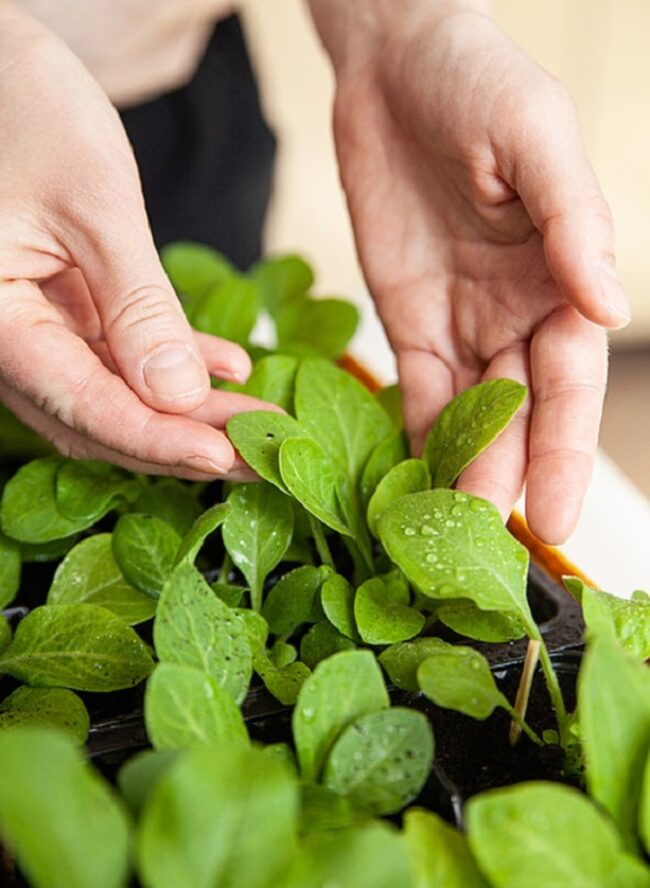
Baby bloomsdale spinach brings unparalleled sweetness to garden growers seeking delectable leafy greens.
Careful selection ensures tender leaves that melt perfectly into salads and smoothies.
Summer temperatures impact spinach's sugar levels, so planting during cooler periods helps maintain sweetness.
Experienced cultivators recommend spacing plants well to reduce stress and enhance taste.
Strategic water management prevents bitterness from developing in tender leaves.
Mulching around spinach helps maintain consistent soil moisture and temperature.
Harvesting young leaves before they mature guarantees maximum flavor and nutritional value.
Pick the Perfect Spot to Plant
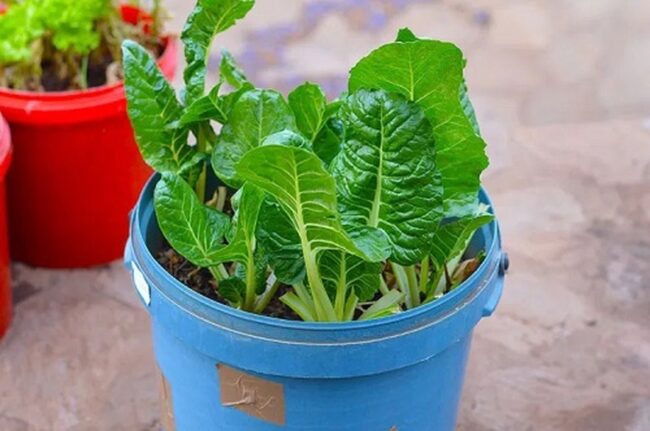
Spinach gardens flourish with strategic location planning that maximizes flavor potential.
Carefully chosen spots receive 5-6 hours of gentle sun exposure during prime growing hours.
Cool shade protects delicate spinach plants from harsh midday heat.
Sheltered garden areas prevent leaf bitterness and encourage robust growth.
Strategic positioning near taller plants or partially shaded garden sections helps maintain optimal growing conditions.
Experienced cultivators understand sunlight balance determines spinach quality and taste.
Successful spinach cultivation depends on understanding microclimates within garden landscapes.
Pick Before the Plant Starts to Bolt
Spinach harvesting before bolting ensures garden-fresh leaves bursting with sweet, tender flavors.
Watching your spinach plants closely helps you catch the perfect moment before flowers emerge.
Delicate green leaves signal peak flavor and nutrition waiting to be enjoyed.
Cutting leaves just before flowering prevents bitterness from developing in your crop.
Careful monitoring means you control the taste and quality of your homegrown spinach.
Quick snips keep plants producing longer and maintain maximum sweetness.
Proper timing transforms ordinary spinach into a mouthwatering garden treasure.
Harvest Leaves While They’re Still Tender
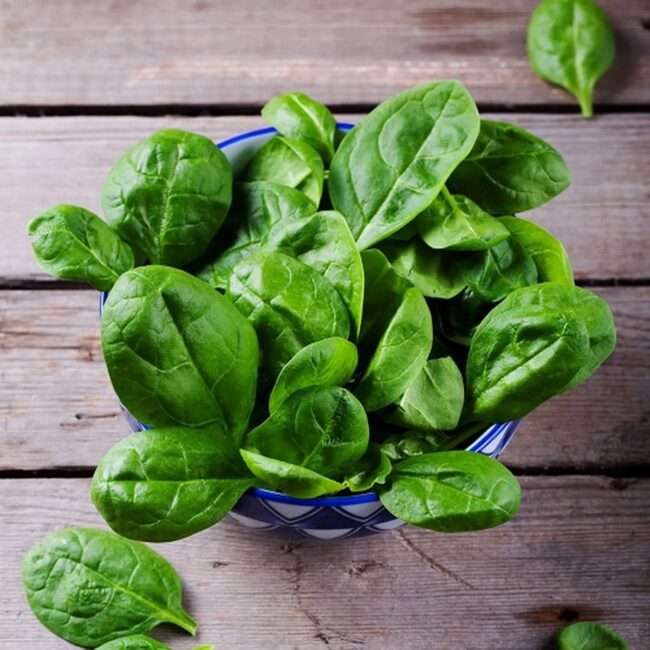
Young spinach leaves burst with delicate sweetness when harvested early at 2-3 inches tall.
Mature spinach turns tough and bitter, ruining potential dish quality.
Small, young leaves guarantee maximum flavor and nutritional punch.
Careful cutting encourages continued plant growth throughout the season.
Fresh spinach picked at peak tenderness ensures crisp texture and delightful taste.
Timing matters most when selecting the perfect spinach harvest moment.
Don’t Let the Soil Stay Too Wet
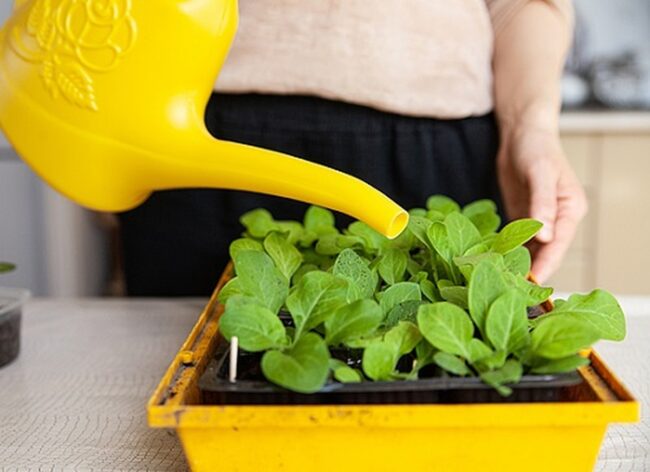
Spinach grows sweetest when moisture levels remain perfectly balanced.
Water management plays a crucial role in developing tender, flavorful leaves without bitterness.
Excess moisture drowns roots and disrupts nutrient absorption, leading to harsh flavors.
Smart gardeners keep topsoil slightly dry to encourage healthy spinach development.
Monitoring soil hydration prevents stress on plants and protects their natural sweetness.
Careful watering techniques help spinach thrive with maximum flavor potential.
Root health determines leaf quality, making gentle hydration a key gardening strategy.
Strategic moisture control transforms ordinary spinach into a garden delicacy packed with delightful taste.
Know Which Type of Plant to Choose
Smooth-leaf spinach brings unparalleled sweetness to garden harvests with its lush, deep green leaves.
Selecting smooth-leaf varieties ensures a more pleasant eating experience without bitter undertones.
Savory spinach can overpower delicate dishes, making smooth-leaf the preferred choice for salads and cooking.
Experienced growers understand how leaf texture directly impacts taste and nutrition.
Careful selection transforms your garden into a gourmet spinach paradise.
Planting these varieties guarantees tender, sweet greens that elevate home-cooked meals.
Home gardeners can easily cultivate this delightful spinach type with minimal effort.
Avoid Overusing Nitrogen-Rich Fertilizers
Spinach grows sweetest when gardeners carefully manage nitrogen levels during cultivation.
Excess nitrogen creates bitter leaves that nobody wants to eat.
Balanced fertilization helps spinach develop tender, flavorful greens with perfect texture.
Experienced gardeners recommend using a diluted nutrient mix that supports healthy plant growth without overwhelming the delicate spinach.
Lighter fertilizer applications encourage compact, bushy plants with maximum flavor potential.
Smart gardening techniques prevent bitterness and ensure your spinach remains deliciously mild.
Selecting the right fertilizer balance makes all the difference in producing high-quality, sweet spinach leaves.
Careful nutrient management transforms ordinary spinach into a garden delicacy you will love harvesting and eating.