
12 Essential Houseplant Buying Tips for Your Green Sanctuary
Indoor gardening enthusiasts understand the transformative power of selecting the perfect houseplants for their living spaces.
Plant shopping can feel overwhelming for beginners who are navigating the exciting world of indoor greenery.
Beginners often need practical guidance to make confident decisions when purchasing their first botanical companions.
The journey of acquiring houseplants involves understanding multiple factors that contribute to successful plant ownership and care.
Selecting the right plants requires careful consideration of personal living environments, light conditions, maintenance capabilities, and individual aesthetic preferences.
Novice plant parents can develop skills and knowledge that will help them build thriving indoor garden collections over time.
These essential buying tips will empower plant lovers to make informed choices and create beautiful, vibrant indoor landscapes.
Is It Rootbound or Pushing Pups?
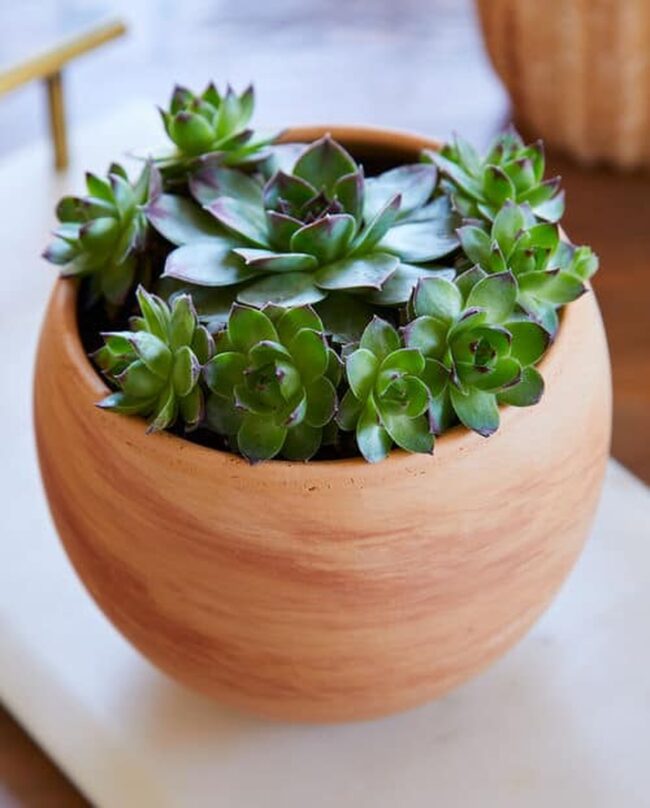
Houseplant buying involves strategic selection that unlocks plant multiplication potential.
Pups represent tiny plant offspring that guarantee quick growth without complicated techniques.
Succulents and spider plants naturally produce these miniature versions, allowing effortless propagation for enthusiastic plant collectors.
Root-bound plants become excellent candidates for division, presenting gardeners with opportunities to expand their green collections.
Careful observation helps you identify promising pups nestled around parent plants' bases.
Spiderettes hanging from parent spider plants provide simple options for generating new greenery.
Established root systems make separation processes smoother and more successful.
Experienced plant lovers understand these reproduction strategies transform single purchases into multiple thriving botanical companions.
Compare Plants
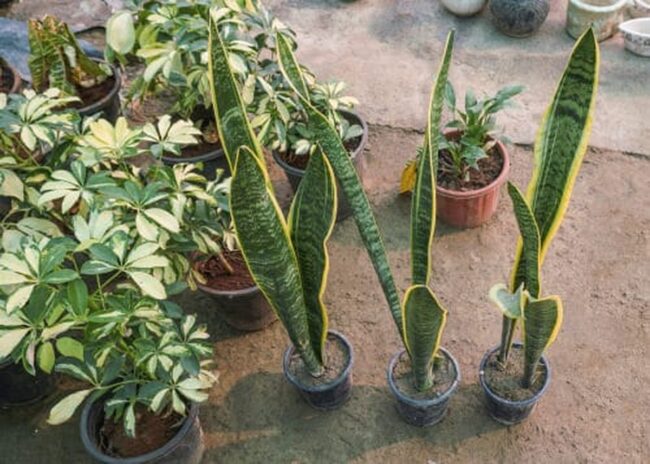
Plant comparison empowers beginners to make smart houseplant selections by carefully evaluating multiple specimens simultaneously.
Successful plant shopping requires strategic observations at garden centers where multiple identical plants can be examined closely.
Checking leaf condition becomes crucial during your selection process, with healthy green foliage indicating strong potential for thriving in your home environment.
Avoid selecting plants based solely on height or immediate visual appeal.
Examine plant stems, roots, and overall structure to ensure you choose the most robust option available.
Professional gardeners recommend comparing multiple plants of the same species to identify the most and resilient specimen.
Smart shoppers understand that taking time to compare plants can prevent future disappointment and increase the likelihood of bringing home a healthy, long-lasting houseplant.
Bargain Like a Garden Pro
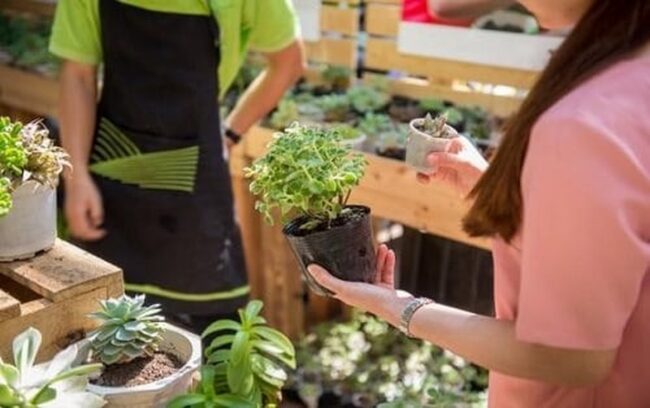
Bargaining skills unlock plant-collecting potential for budget-conscious gardeners.
Negotiating prices at garden centers creates opportunities to expand botanical collections affordably.
Smart shoppers visit multiple nurseries to compare pricing and plant quality before making purchasing decisions.
Research local market rates and plant values beforehand to strengthen bargaining position.
Polite and friendly interactions often result in unexpected discounts or added value.
Confident buyers know walking away is an effective negotiation tactic when prices seem unreasonable.
Plant lovers who master these techniques transform shopping from expensive hobby into exciting, economical adventure.
Avoid Plants Already Blooming
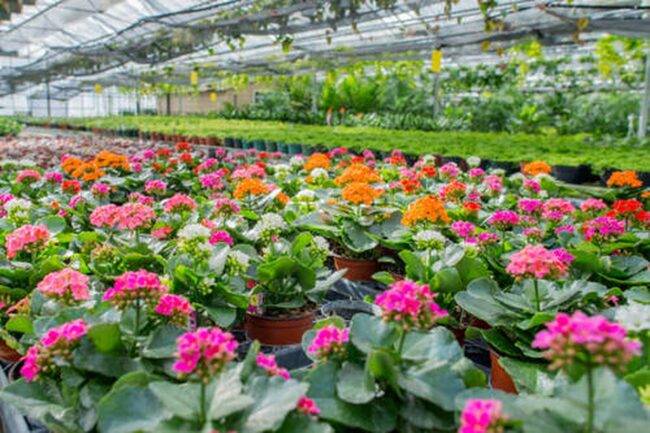
Houseplant buying demands strategic selection for indoor greenery success.
Experienced gardeners recommend avoiding plants currently in full bloom, choosing specimens with promising flower buds instead.
Strategic plant selection guarantees extended visual enjoyment as blossoms gradually unfurl in your living space.
Healthy foliage signals a plant's potential strength and adaptability to new environments.
Robust leaves indicate the plant's overall condition and likelihood of thriving under your care.
Careful examination of leaf color, texture, and structural integrity provides crucial insights into plant health.
Observing subtle details helps you select houseplants that will transform your interior with natural beauty and vitality.
Choose Plants Based on Home Light
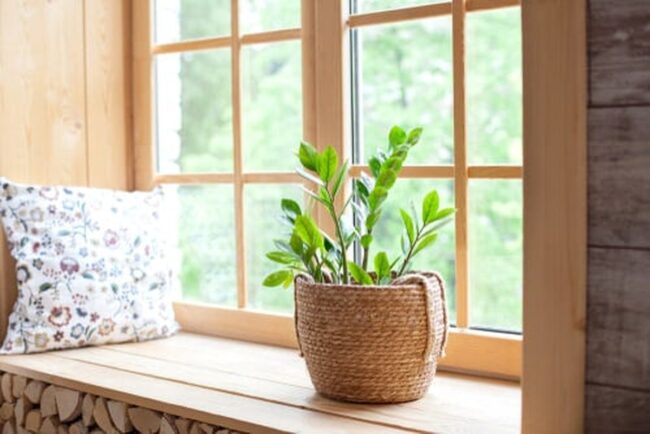
Houseplant selection depends on understanding light conditions within your living space.
Bright east or south-facing windows provide perfect environments for numerous flowering plants that enhance indoor landscapes.
Rooms with limited sunlight require strategic plant choices like shade-tolerant impatiens or coleus to maintain healthy greenery.
Identifying specific window orientations helps determine appropriate plant species for different indoor areas.
Natural light exposure plays a critical role in plant survival and growth potential.
Home gardeners should carefully assess available sunlight before purchasing new plants.
Window direction significantly impacts plant health and overall appearance.
Clear Doubts

Plant buying requires strategic research and careful consideration to ensure successful indoor gardening.
Asking questions helps you understand each plant's unique requirements and potential challenges.
Nursery staff are valuable resources who can provide detailed information about specific plant care, growth patterns, and environmental needs.
Experienced professionals can guide you through selecting plants that match your home's light conditions, humidity levels, and maintenance capabilities.
Key factors include evaluating plant health, checking for pests, understanding watering schedules, and assessing your personal commitment to plant care.
Sunlight exposure, temperature tolerance, and potential growth size matter significantly when choosing houseplants.
Learning about specific plant characteristics prevents common beginner mistakes and promotes long-term plant success.
Researching plant varieties beforehand empowers you to make confident, informed decisions that support a thriving indoor garden.
Ask for Deals on Discount Plants

Plant shopping requires strategic negotiation skills and keen observation for budget-conscious gardeners.
Overlooked plants at garden centers present hidden opportunities for affordable greenery acquisition.
Nursery staff might offer discounted prices for plants with minor imperfections, allowing savvy shoppers to expand their plant collection economically.
Gentle rehabilitation techniques can transform struggling plants into healthy, additions to your indoor garden.
Compassionate plant care means seeing potential where others see flaws.
Careful inspection helps identify plants with strong root systems and good recovery potential.
Patience and minimal investment can yield beautiful, thriving houseplants that grow stronger with dedicated nurturing.
Check Plants Before Buying
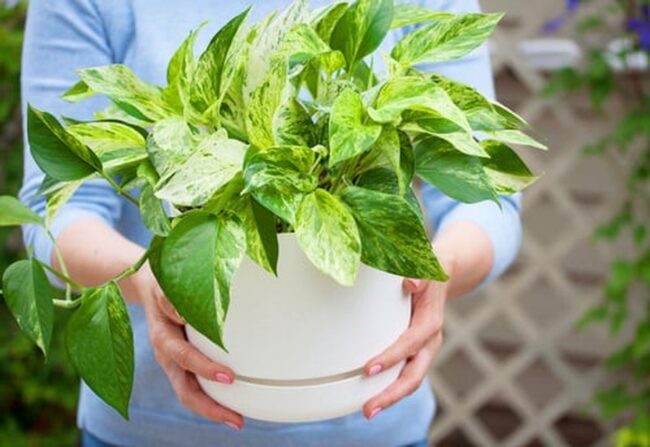
Houseplant shopping demands careful observation and smart selection for creating a thriving indoor green sanctuary.
Smart plant buyers understand each specimen requires meticulous examination before bringing it home.
Robust stems and healthy leaves signal excellent plant condition and potential for growth.
Checking leaf color, texture, and overall appearance helps detect hidden problems like pest damage or disease.
Avoiding plants with yellowing, drooping, or discolored foliage prevents introducing weak specimens into your space.
Newbie plant owners benefit from closely examining leaf undersides for tiny insects or signs of infestation.
Strategic selection ensures you bring home a beautiful, resilient plant that will flourish in your indoor environment.
Size Matters
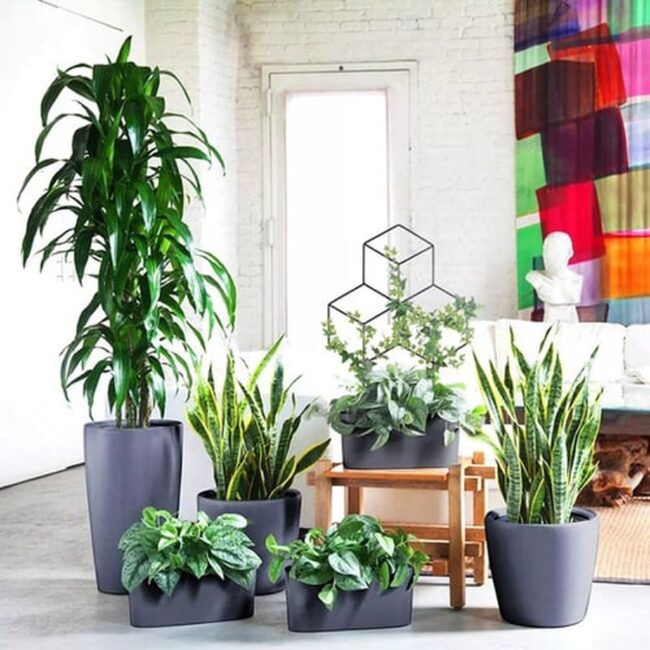
Plant sizes play a strategic role in crafting an inviting indoor garden landscape.
Smaller houseplants offer affordable entry points for budding gardeners wanting to explore green decor without overwhelming spaces.
Compact specimens help newcomers learn plant care basics while keeping initial investments low.
Larger plants provide immediate visual drama and establish sophisticated room aesthetics with minimal effort.
Mature plant selections instantly elevate interior design by adding organic texture and sophisticated greenery.
Beginners should measure available space, assess light conditions, and match plant dimensions to room proportions before purchasing.
Budget considerations matter when selecting plant sizes, with smaller options allowing experimental learning and gradual collection building.
Successful indoor gardening hinges on understanding how different plant sizes interact with living environments and personal style preferences.
Watch for Bugs and Pests
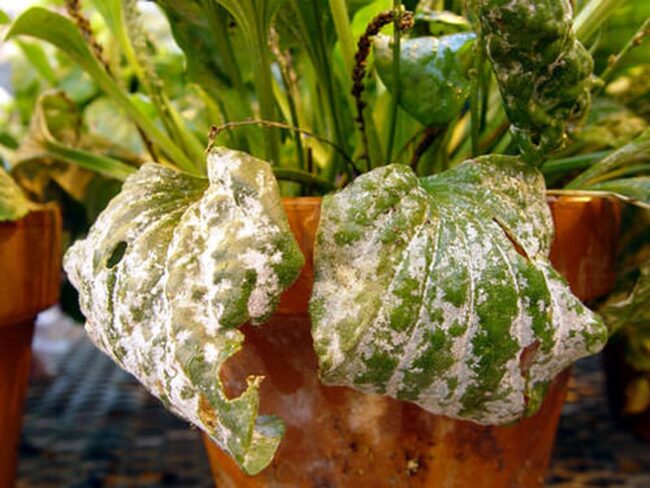
Houseplant pest inspection ensures healthy indoor greenery by protecting your botanical investments.
Careful examination reveals hidden threats that could compromise plant wellness.
Checking leaf undersides and new growth zones uncovers potential pest problems before they spread.
Black spots or leaf distortions signal potential infestations requiring immediate attention.
Thorough visual scans help prevent microscopic intruders from establishing residence in your plant collection.
Smart buyers develop keen observational skills during initial plant selection.
Examining stems, roots, and foliage provides critical insights into plant health.
Preventative inspection saves significant time and money while maintaining a home garden ecosystem.
Shop When It’s Quiet
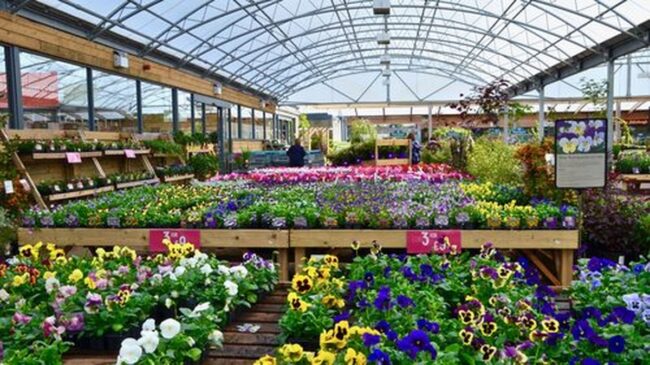
Houseplant shopping requires strategic planning for the best selection and expert advice.
Garden centers reveal their magic during non-peak hours when staff have more time to guide you.
Quiet moments allow deeper exploration of plant varieties and personalized recommendations from knowledgeable employees.
Wandering through less crowded aisles helps you discover unexpected botanical treasures that perfectly match your home's aesthetic.
Reduced crowd levels mean more relaxed interactions with plant experts who can answer complex care questions.
Morning weekdays or early afternoons typically offer the most peaceful shopping experiences.
Careful timing helps you select healthier plants with individualized guidance.
Leisurely browsing ensures you find exactly the right green companions for your living space.
Don’t Skip the Label
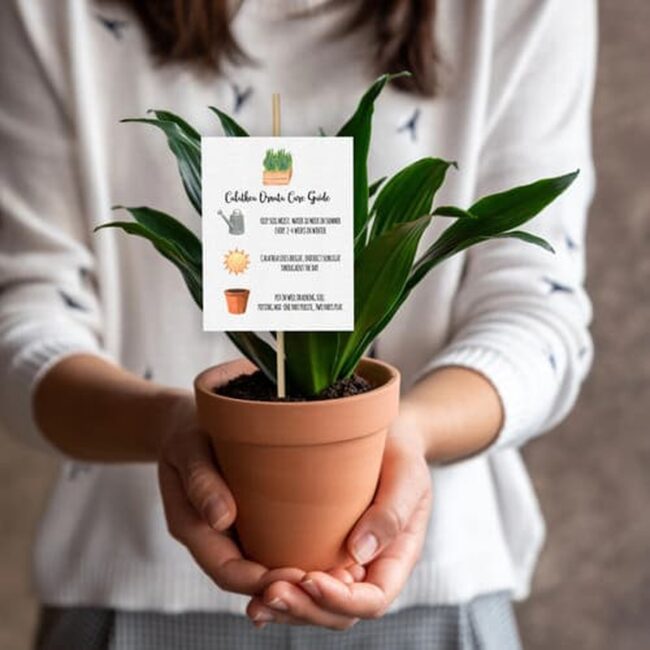
Plant labels serve as critical roadmaps for successful houseplant care, revealing precise details gardeners need to nurture their green companions.
Plant label information provides essential insights about light requirements, watering needs, and maintenance complexity for each unique botanical specimen.
Careful label reading helps beginners understand specific plant characteristics before making purchasing decisions.
Experienced gardeners recommend examining every section of the tag to uncover crucial growth details.
Sunlight preferences, water frequency, and potential size limitations appear in these compact information panels.
Specialized symbols might indicate plant hardiness, toxicity levels, or recommended indoor/outdoor placement.
Research from professional horticulturists confirms label details can prevent common plant care mistakes.
Nursery experts suggest comparing multiple plant labels to select specimens matching your specific home environment and personal gardening skills.