
10 Brilliant Garden Sand Hacks Every Plant Lover Should Try
Garden sand serves as a versatile and transformative element for landscaping enthusiasts seeking innovative solutions.
Landscape professionals and home gardeners have long recognized the incredible potential of this natural mineral resource in creating thriving plant environments.
Sand can dramatically improve soil structure, drainage, and overall garden health with its unique physical properties.
Gardening experts appreciate sand's ability to solve challenging terrain and plant growth problems through strategic application.
Mineral additives like sand have been used for centuries by agricultural communities to enhance ground composition and support diverse plant life.
Sophisticated gardeners understand that sand is more than just a simple ground component - it represents a strategic tool for nurturing robust and beautiful garden ecosystems.
The strategic use of sand can unlock remarkable possibilities for garden design and plant cultivation.
Sand Cutting Success
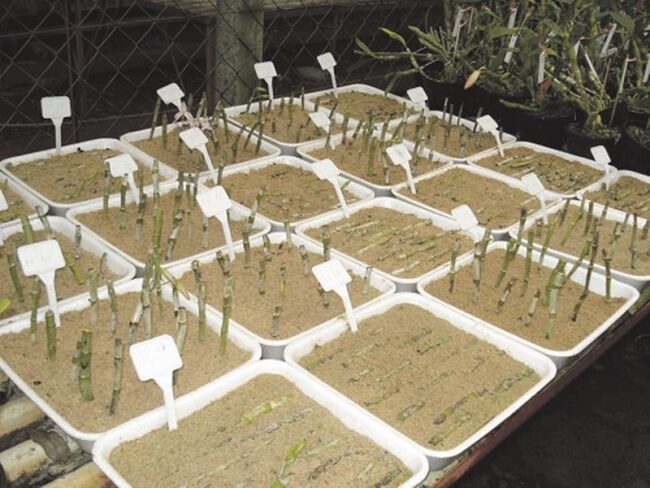
Sand propagation provides gardeners a foolproof method for multiplying plant collections with minimal effort.
Clean, coarse sand creates an ideal rooting environment for delicate plant cuttings.
Specialized sand mixtures mixed with peat moss and perlite help control moisture levels perfectly.
Moisture-loving cuttings quickly establish robust root systems in these sandy mediums.
Gentle handling and consistent moisture ensure higher success rates for plant propagation.
Professional and amateur gardeners alike appreciate this simple technique for expanding garden variety.
Sand transforms ordinary plant snippets into thriving new garden additions with remarkable ease.
Sand Color Stone Accents
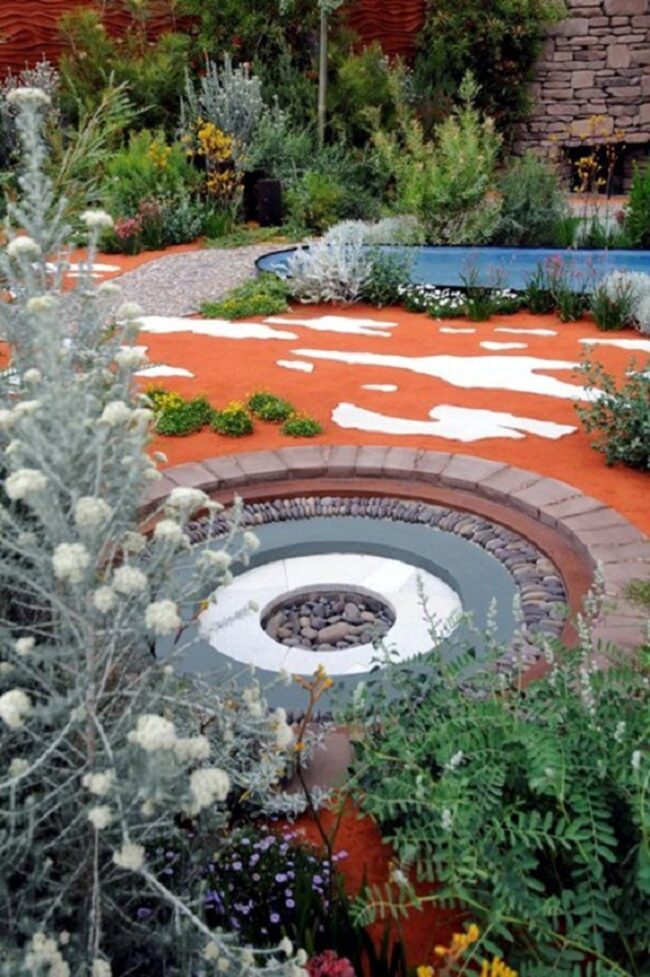
Colored sand injects playful personality into garden landscapes, turning ordinary stones and flower pots into eye-catching displays.
Garden designers sprinkle dyed sand around landscape features to create visual interest and depth.
Mixing food coloring with white sand lets you craft custom hues that complement existing garden elements.
Bright pigments transform plain surfaces into artistic canvations that draw attention to strategic spots.
Stones nestled in colorful sand become focal points that guide viewers' gazes through garden spaces.
Simple techniques help gardeners add elegant visual layers without complex design skills.
Experimenting with different sand colors allows endless creative possibilities for outdoor decor.
Sand dyeing provides an affordable method to refresh garden aesthetics with minimal effort.
Zen Garden Sand Techniques
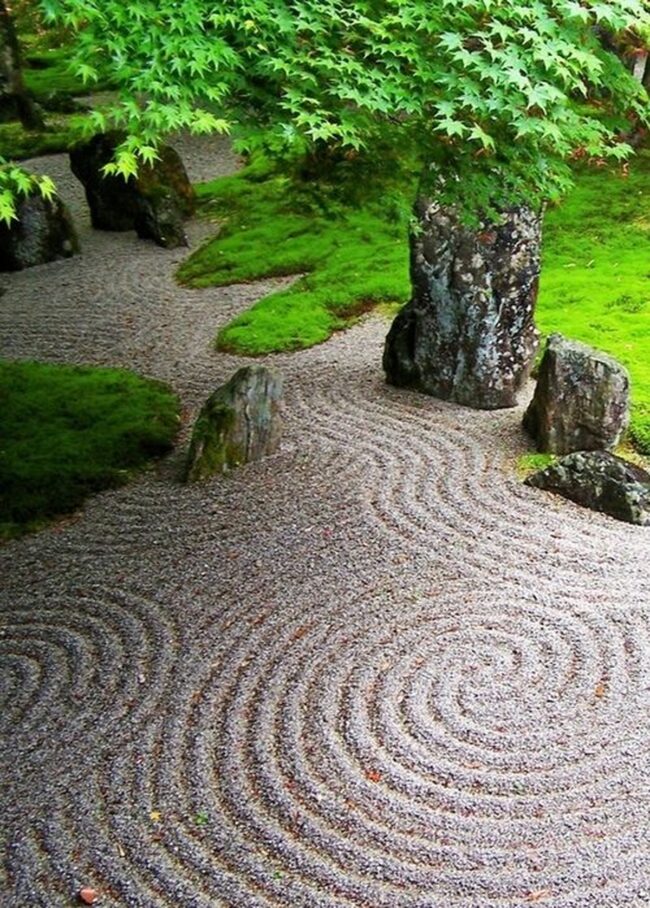
Zen gardens weave magical meditation spaces with minimalist sandy landscapes.
Smooth white or gray sand becomes the canvas for intricate rake patterns and strategic rock placements.
Garden designers carefully arrange granite boulders and pebbles to break sand's expansive surface.
Each carefully drawn line represents harmony and inner peace.
Sand's pale color reflects sunlight and creates visual depth around sculptural stones.
Japanese garden traditions inspire these contemplative outdoor rooms.
Carefully selected rocks provide visual anchors amid flowing sand textures.
Meditative layouts transform ordinary backyards into tranquil personal sanctuaries.
Sand Seed Spreading Solution
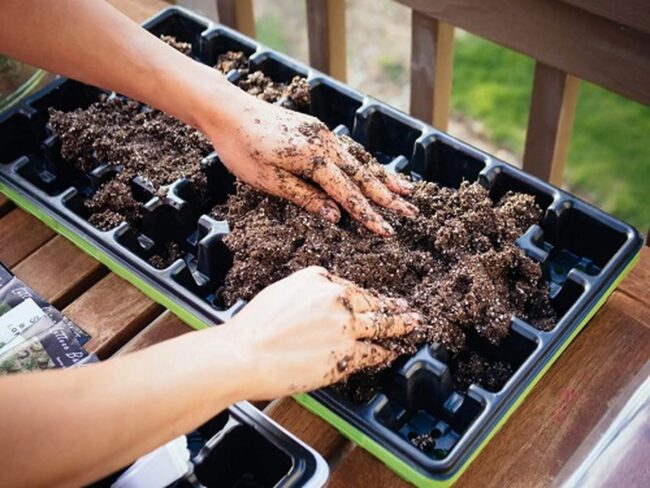
Sand seed starting mix provides unparalleled precision for gardeners struggling with tiny seeds.
Fine sand acts as a perfect carrier, helping you distribute delicate seeds evenly across growing surfaces.
Smart gardeners know this mixture prevents seed clumping and allows accurate spacing during planting.
Blending sand with small seeds creates a lightweight, spreadable solution that supports consistent germination.
Light sand grains help seeds settle gently into soil without disturbing delicate embryos.
Precise seed placement becomes effortless when using this simple technique.
Gardening success starts with understanding these clever seed starting tricks.
Sand Landscaping
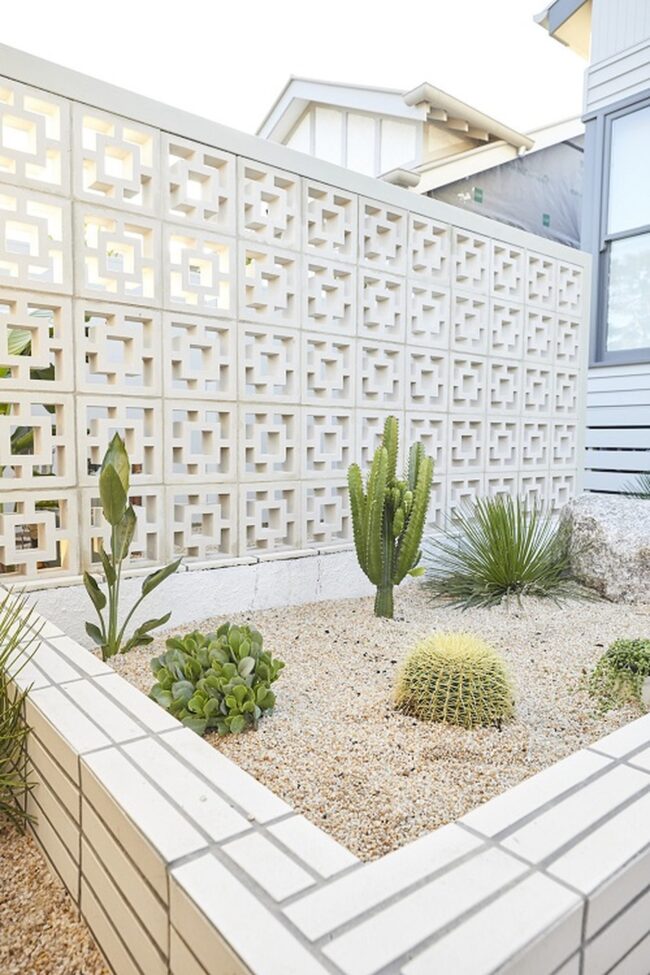
Sand landscaping revolutionizes garden design with its sleek and adaptable qualities.
Succulent beds thrive in sandy environments, offering minimal upkeep and striking visual appeal.
Strategic placement creates natural drainage zones for healthier plant roots.
Tiered garden spaces gain dramatic dimension when integrated with sandy textures.
Raised garden beds benefit from carefully mixed sand compositions that support optimal plant growth.
Minimalist sandy landscapes provide a calm, contemporary outdoor aesthetic that requires less maintenance.
Mediterranean-inspired gardens especially shine when leveraging sandy soil strategies.
Gritty Garden Tool Care
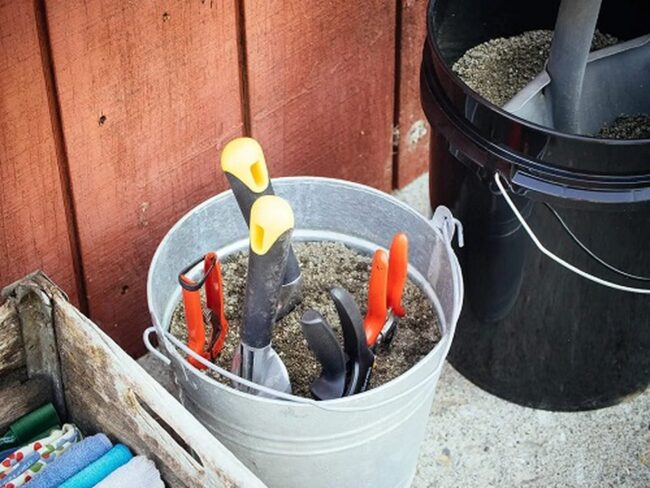
Sand tool sharpener is a clever garden maintenance technique that simplifies tool care and enhances cutting performance.
Users simply clean their shears or clippers before dipping them into this specialized blend.
Regular treatment keeps blades razor-sharp and prevents rust buildup with minimal effort.
Mineral oil protects metal surfaces while sand gently removes debris and smooths cutting edges.
Crafting this homemade sharpening method takes just minutes and eliminates expensive professional tool maintenance.
Experienced and novice gardeners alike can benefit from this practical hack.
Consistent use ensures garden tools remain in peak condition throughout multiple growing seasons.
Sand Mulch Magic
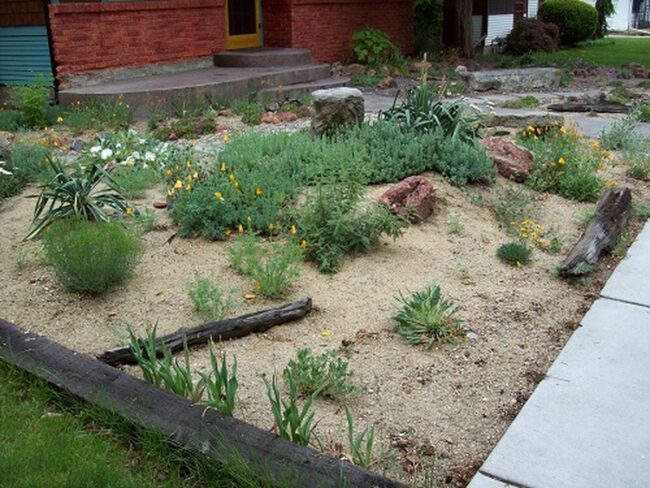
Sand mulch creates magical microclimates for garden plants while solving multiple landscape challenges.
Sand prevents water runoff by absorbing moisture and reducing evaporation rates quickly.
Its lightweight texture allows excellent air circulation around plant roots, preventing compaction and supporting healthy growth.
Landscape designers appreciate sand's ability to control weed development and maintain consistent ground temperatures.
Desert plants and succulents particularly benefit from sand's natural mineral composition and drainage properties.
Landscaping professionals recommend mixing different sand grades for optimal garden performance.
Careful application helps gardeners transform ordinary garden spaces into thriving, resilient environments with minimal effort.
Sand Solves Soil Problems
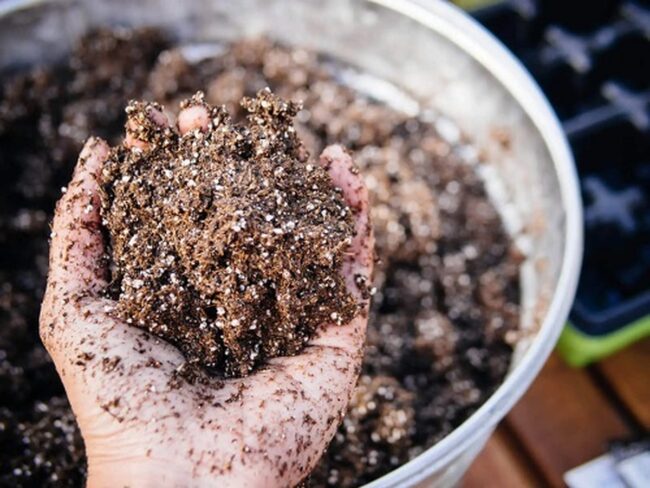
Sand mixing is a gardener's secret weapon for solving stubborn drainage challenges in heavy clay soils.
Garden experts recommend adding coarse sand to compact ground for instant improvement.
Loosening soil structure allows water and air to circulate more effectively around plant roots.
Microbes get excited about this enhanced environment and work harder breaking down organic matter.
Nutrient absorption increases dramatically when soil becomes more porous and well-aerated.
Plants respond quickly to this simple transformation with healthier growth and stronger root systems.
Small amounts of sand make big differences in overall soil quality and plant performance.
Sand Pot Cleansing Technique
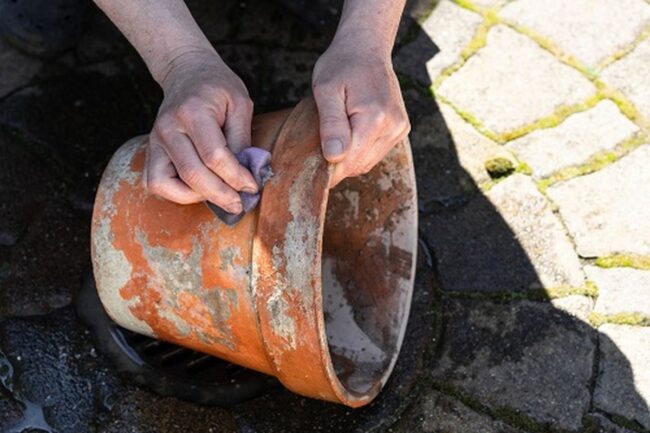
Sand scrubbing technique revolutionizes garden pot maintenance with its powerful cleaning properties.
Simple methods involve pouring dry sand into dirty pots and vigorously rubbing surfaces to remove grime.
Rough granules act like a natural abrasive cleaner without introducing harsh chemicals into your gardening routine.
This eco-friendly approach ensures thorough cleaning while protecting plant health.
Sand-based scrubbing works perfectly for terra cotta, ceramic, and plastic containers of all sizes.
Serious gardeners appreciate how this technique saves money on expensive cleaning products.
Organic cleaning strategies like sand scrubbing keep garden tools pristine and ready for new planting seasons.
Sandy Pot Decorative Layers
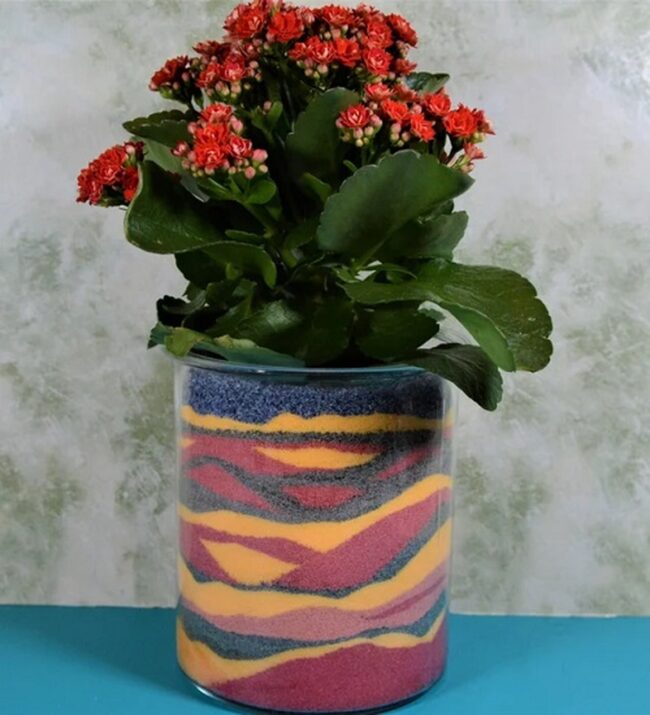
Sand layering adds playful color and drainage magic to garden pots.
Sand provides excellent moisture control while creating visual interest in plant displays.
Multiple sand hues complement flower selections and design schemes perfectly.
Container gardens become more dynamic with strategic sand placement around plant roots.
Careful sand selection lets people design unique landscape features with minimal effort.
Strategic sand layering transforms ordinary pots into personalized gardening masterpieces.